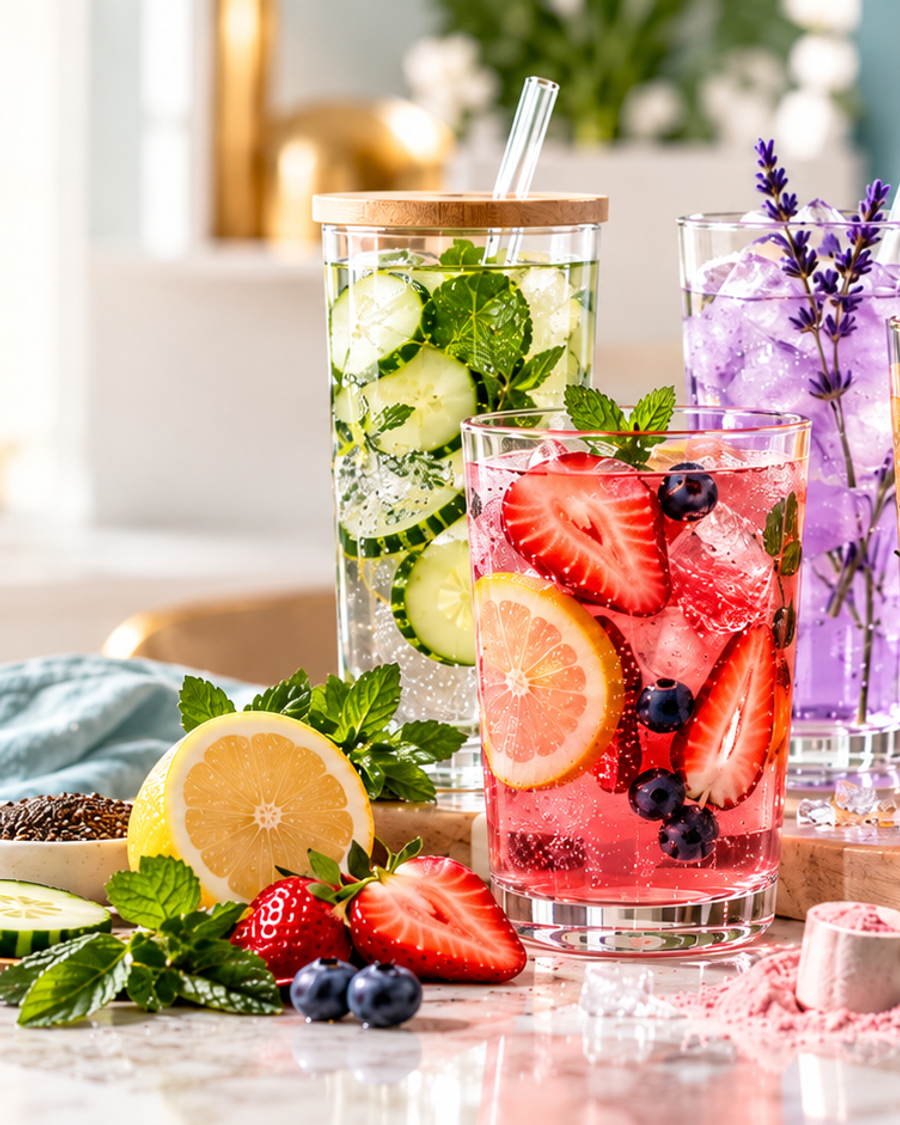
Maya scrolls her phone on her lunch break. A bright pink drink fills her screen.
The creator fills a giant tumbler with ice, flavor drops, an electrolyte powder, a scoop of collagen, and a greens blend. The caption promises energy, gut health, glowing skin, and better hydration, all in one glass.
Maya is tempted. She spends most of her workday at a desk, and plain water rarely appeals to her. By late afternoon, she has barely touched her bottle. Then she reaches for a sweetened drink instead.
She adds four products to her cart. Then she stops. She is not sure what half the ingredients actually do.
So she tries something simpler. That night, she adds cucumber, lemon, and mint to a jug of cold water. She starts making a jug the night before and drinking it through her workday.
The water has not become a medical treatment. Maya has simply found a version of water she enjoys enough to reach for more often.
But Maya still wonders about the rest of her cart. Are any of those products worth it?
In this post we will cover:
- What WaterTok and loaded water really are
- Which add-ins may help and which deserve a closer look
- Who actually needs electrolyte powders
- Why “detox” claims fall short
- Five questions to ask before you try any water trend
What Is WaterTok, and What Is Loaded Water?
WaterTok is a social media trend about making water more exciting. People share drinks made with flavored powders, syrups, drops, and other add-ins, often in large tumblers. Loaded water is water with several added ingredients. These may include electrolytes, vitamins, protein, collagen, caffeine, or herbal supplements.
Some recipes are simple, like cucumber, lemon, berries, or herbs. Others look like a custom soft drink, with many flavor packets, sweeteners, and syrups. “Hydration hack” is even broader. It can mean anything from carrying a bottle to taking a supplement for fluid balance.
The question is not whether a drink is trendy. It is whether the ingredients and claims make sense for you.
Can Flavored Water Actually Help You Drink More?
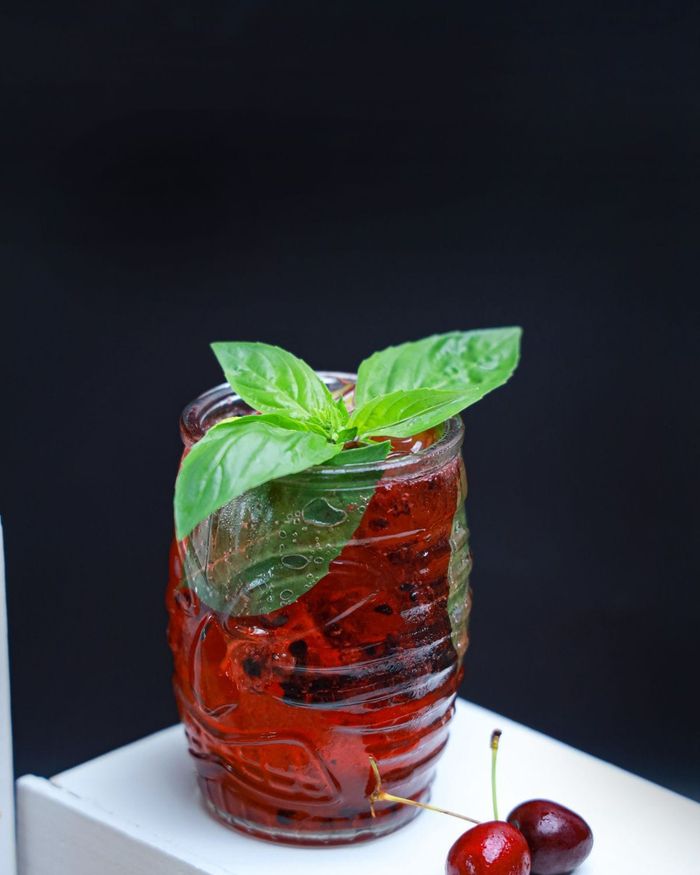
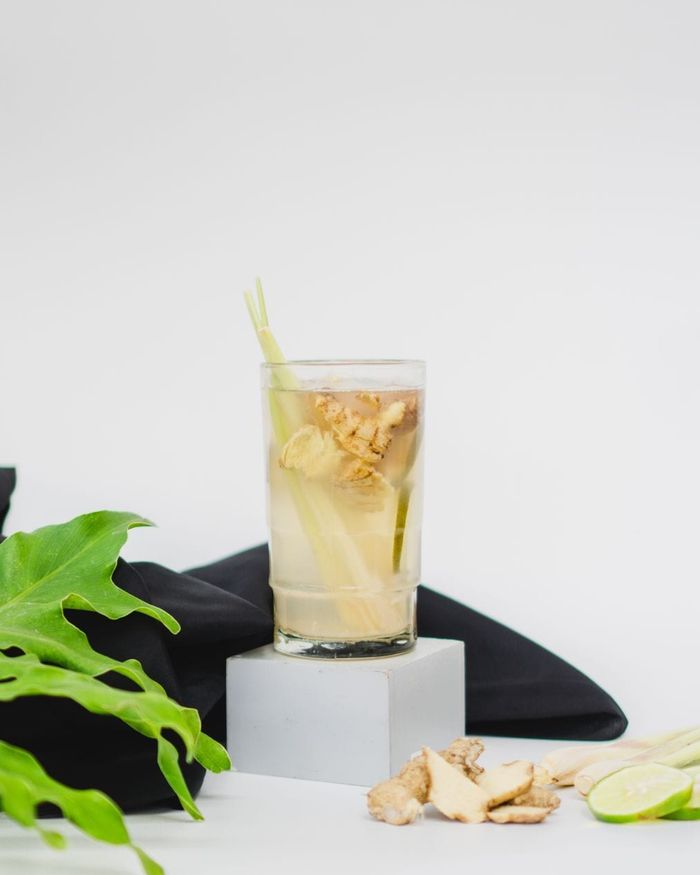
Yes, it can. Fresh fruit, citrus, herbs, or cucumber can make water more appealing without adding much sugar. That is the useful part of WaterTok. But a few flavor add-ins are different from a sweet drink full of syrups and powders.
Worth trying:
- Lemon, lime, cucumber, mint, or fresh berries
- Sparkling water with citrus or herbs
- Cold-brewed, unsweetened tea
- Small amounts of fruit juice mixed with water, if you like a little sweetness
Worth a closer look:
- Recipes with several pumps of syrup
- Several sweetened powders in one drink
- Ingredients sold with broad health claims
These drinks still give you fluid. But their sugar, calories, and other ingredients can vary a lot and commercial flavored waters range from zero-sugar to meaningfully sweetened, so per-product content differs widely. Drinks heavy in syrups or added sugar also carry real health risks: higher intake of added sugars and sugar-sweetened beverages is linked to obesity, type 2 diabetes, and heart disease.

For more ideas, read 15 Healthy Ways to Add Flavor to Your Water Without Adding Sugar.
Is Loaded Water Actually Healthier Than Plain Water?
Not automatically. Some loaded water ingredients have real uses. Others may add little if you already eat a balanced diet and drink enough. A drink is not healthier just because it is sold as a wellness drink. Look at each ingredient on its own and ask what it is for.
- Vitamins and greens powders. Content and quality vary a lot. A long list of vitamins or plant extracts does not prove a health benefit. If you have a deficiency or medical need, a supplement may make sense. Let that need guide you, not a social media recipe.
- Collagen and protein. These may serve a nutrition goal. But they do not make a drink more hydrating.
- Adaptogens and mushroom extracts. These are sold for focus, energy, or stress. Research varies. Proof of one effect does not prove every claim.
- Herbal ingredients. Natural ingredients can still cause side effects. Herbal supplements can also interact with medicines [4, 5].
For a closer look, read Mushroom Water, Ashwagandha, and CBD Drinks: What a Doctor Actually Thinks After Reviewing the Evidence
Do You Really Need Electrolyte Powder Every Day?
Most healthy people do not. On an ordinary day, water and regular meals are usually enough. Electrolyte drinks can be useful during long, hard exercise, heavy sweating, or some illnesses that cause fluid loss. The real question is not “Are electrolytes good?” It is “Do I need to replace electrolytes right now?”
Electrolytes are minerals like sodium and potassium. They help control fluid balance and support nerve and muscle function.
Research suggests a drink’s makeup can change how much fluid your body keeps for a short time [1, 2]. Your needs may differ if you exercise for long periods or work in a lot of heat. For desk work, errands, or a short workout, plain water may be enough.
Some products add sugar, a lot of sodium, or caffeine. Amounts vary, so read the label, not the marketing. If you do not need electrolytes, a powder may only add cost, sodium, and sweeteners.

Learn more in Who Actually Needs Electrolytes? (And Who’s Wasting Their Money).
Does Detox Water Actually Cleanse Your Body?
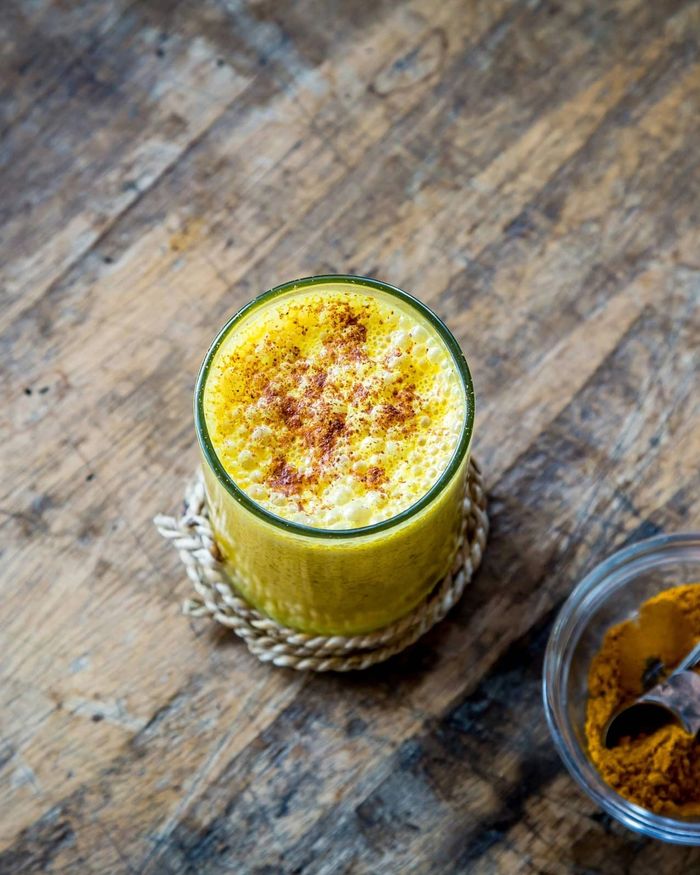
There is little clinical evidence that detox products cleanse your body the way they claim. Your liver and kidneys already process and remove waste. Adding lemon, cucumber, or mint to water can make it more enjoyable. It does not give the drink a special power to remove toxins.
Some "detox" drinks contain powders, laxatives, or herbal blends. Drinking enough fluid does support normal body function — water helps regulate temperature, carry nutrients and waste, and maintain the body's fluid balance [11, 12]. But supporting normal function is not the same as "detoxing." A critical review of detox diets found very little clinical evidence that they work. [3].
Be careful when a product promises to cleanse your liver, flush toxins, or reset your body. Ask three questions:
- What exact substance does it claim to remove?
- How was that effect measured?
- Does the proof come from reliable human studies?
“Natural” or “clean” is not enough of an answer. Some of these products contain ingredients that are not safe for everyone. Some teas contain laxatives. A fast drop on the scale may be fluid loss, not fat loss.
Read Why Plain Water Is Still the Best Thing You Can Drink.
Are Caffeine and Sweeteners in Your Water a Problem?
Not every viral add-in is a problem. Caffeine can add up across your day. Sugar-free sweeteners can help some people cut added sugar, but they are not automatically healthier. Always check the label, the serving size, and how many servings you use.
- Caffeine. Some powders and drops contain it. Caffeine can boost alertness. But too much may cause jitters, anxiety, a racing heartbeat, or poor sleep. Moderate amounts still count toward your fluids and do not automatically dehydrate you [8]. If you already drink coffee or tea, count your total for the day.
- Stevia, monk fruit, and other low-calorie sweeteners. These can help some people cut added sugar. But long-term research on them is complex [6, 7]. You do not need to avoid every sweetener, or add one to every glass.
- Flavor drops and sugar-free powders. Some products suggest several scoops per bottle, so you may take in more than you expect. A sweet taste does not tell you if a drink has sugar. Sugar-free does not mean nutrient-rich or right for everyone.
- Sodium plus other active ingredients. More ingredients mean more chances for interactions or side effects.

Which Viral Water Trends Are Actually Worth Trying?
You do not have to reject every trend. You just need to know your goal. Fruit-infused water and plain sparkling water are easy wins. Electrolyte powders are worth it sometimes. Vitamin, greens, and collagen drinks depend on your needs. Be skeptical of detox claims.
Trend
Worth trying?
What to keep in mind
Fruit-infused water
Yes, if you enjoy it
Adds flavor without syrup or sugar
Plain sparkling water
Yes, if you like fizz
Check labels on flavored versions
Unsweetened iced tea
Often a good option
Think about caffeine and your sensitivity
Electrolyte powders
Sometimes
Most useful when you truly need to replace fluid and electrolytes
Vitamin or greens powders
Depends
Check ingredients, evidence, and whether you need a supplement
Collagen or protein water
Depends on your nutrition goals
Not automatically better for hydration
Detox water or detox teas
Be skeptical of cleansing claims
Flavor is fine; unproven medical promises are not
Sweetened loaded water
Use thoughtfully
Check added sugar, calories, sodium, and serving size
This table is a general guide, not a personal prescription. Your needs may differ based on exercise, climate, illness, diet, medicines, and health history. Read Your Hydration Plan Should Be as Unique as Your Body.
What Should You Ask Before Trying a Water Trend?
Before you buy a powder or copy a viral recipe, pause and ask five questions. Start with your goal and what is in the drink. Then check the evidence, whether it is right for you, and whether a simpler option would work.
- What is my goal? More water, replacing fluid after exercise, fewer sugary drinks, or a certain nutrient?
- What is in it? Look for added sugar, sodium, caffeine, herbs, vitamins, and other active ingredients.
- Is there evidence? A real ingredient does not prove every advertised benefit. Look for credible human research.
- Is it right for me? Think about your medicines, health, and activity level. When in doubt, ask a healthcare professional.
- Would something simpler work? Lemon, mint, or sparkling water may be enough. After a long workout, a suitable electrolyte drink may help.

The Bottom Line
WaterTok has made hydration more creative, and that can be a good thing. But a drink is not better just because it has more ingredients, a catchy name, or big promises.
Electrolytes and supplements each have a role. Neither is automatically needed for everyday hydration.
Maya never checked out that cart. She still makes her cucumber, lemon, and mint jug every night. Now, before she tries a new trend, she reads the label and asks what it is actually for.
Start simple. Read the label. Question the claims. Sometimes the best hydration hack is simply making water easy to reach and enjoyable enough to drink.