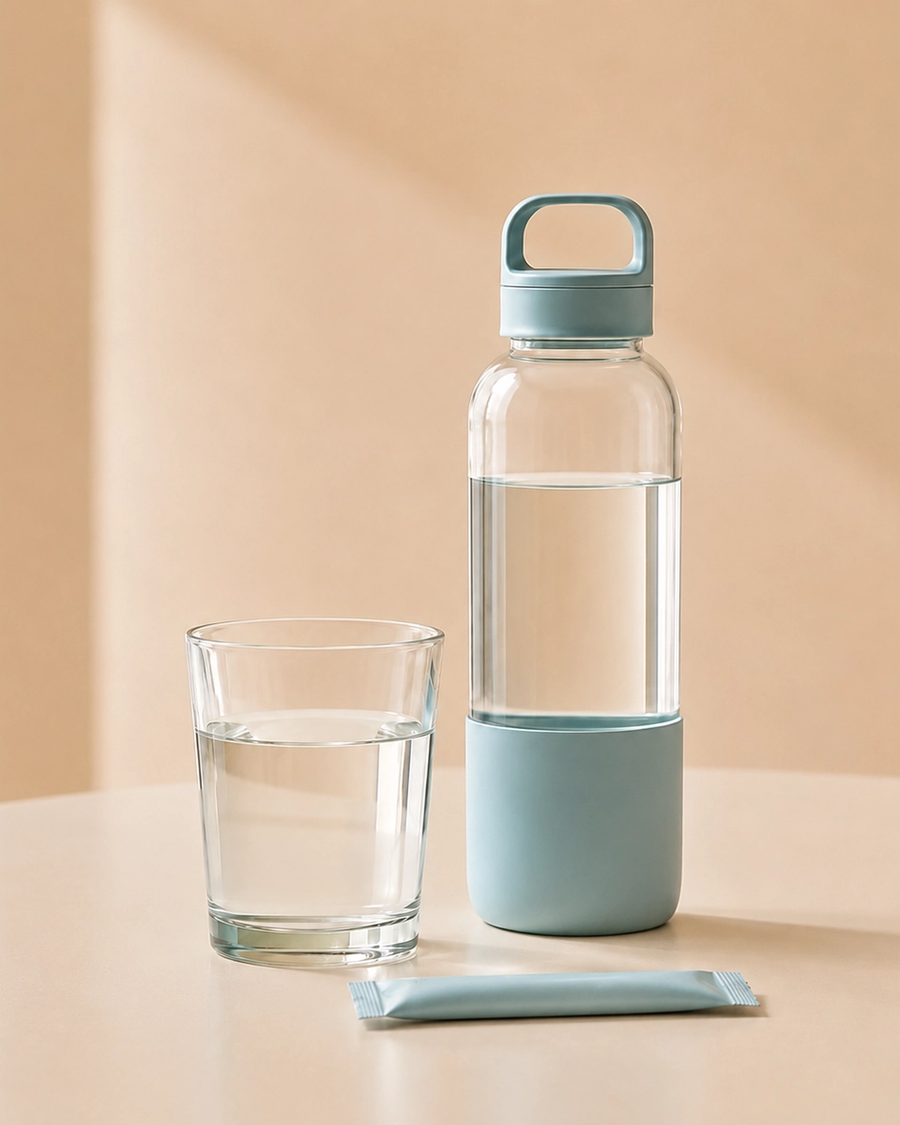
Walk into a grocery store, gym, or office kitchen in 2026. You'll see them: bright stick packs, fizzy tablets, and pastel cans. They promise "rapid hydration," "cellular absorption," and "optimal performance." The electrolyte industry has exploded from a locker-room niche into a multi-billion-dollar wellness category, and the marketing wants you to believe that plain water is somehow no longer enough.
Here's the uncomfortable truth the labels won't tell you: most people drinking electrolyte products don't need them. And some people who genuinely do need them are using the wrong ones.
This post will answer the question the industry wants to keep unclear: Are you the exception or the rule?
What Do Electrolytes Actually Do?
Electrolytes are minerals that carry an electrical charge when dissolved in your body's fluids. Far from being exotic, they are found in most foods you eat.
So yes, electrolytes matter enormously. That was never the question. The question is whether you are losing enough of them, fast enough that food and water can't keep up. For most people, most of the time, the answer is no.
The main electrolytes are:
- Sodium helps keep the right amount of water in your body. This mineral also regulates blood pressure while supporting nerve and muscle function.
- Potassium helps your cells work properly. It is important for healthy muscles, nerve signals, and a steady heartbeat. Low potassium can cause muscle cramps, weakness, confusion, or an irregular heartbeat.
- Magnesium helps your body make energy. It also helps your muscles, nerves, brain, and blood vessels work properly.
- Calcium is best known for building strong bones and teeth. It also helps your muscles move, your nerves send messages, and your blood clot after an injury.
- Chloride works with sodium to keep the right amount of fluid in your body. It also helps keep your body's acid levels balanced.
Why Most People Don't Need Electrolyte Supplements
You're almost certainly not sodium-deficient. The World Health Organization recommends staying under 2,000 mg of sodium per day. U.S. guidelines say under 2,300 mg. The average American eats about 3,400 mg each day. That's around 50% more than the upper limit. Most people do this without using any electrolyte packets. If you eat bread, cheese, restaurant food, sauces, or packaged items, you're already getting a lot of sodium.
Most people get enough potassium from food. Foods like fruits, vegetables, beans, nuts, dairy products, and whole grains provide plenty of potassium.
Your kidneys are better at regulating electrolytes than any powder. Healthy kidneys regulate electrolyte balance with remarkable precision, holding onto minerals when you're short and excreting the excess when you're not. For a sedentary or lightly active person, that daily electrolyte packet mostly produces expensive urine.
You already hydrate through food. About 20% of your daily fluid comes from food. Water-rich options like fruits, veggies, soups, and yogurt are full of potassium, magnesium, and sodium. A banana and a glass of water is an electrolyte source. It just doesn't have a brand ambassador.
Short workouts don't need special drinks. If you exercise for less than 60–90 minutes, water is usually enough. Sports drinks or electrolyte powders do not provide extra benefits for most people doing shorter workouts.
For everyday hydration, most people are best served by water, tea, and regular meals. That sluggish, foggy, tired-by-3-PM feeling marketing loves to call "dehydration" is usually sleep debt, stress, or too much caffeine not a lack of minerals. There is no strong evidence that healthy people benefit from taking electrolyte supplements every day.
Signs You Actually Do Need Electrolytes
Electrolyte supplements can be crucial in some situations. In these cases, they help maintain physical performance and prevent significant fatigue.
You may need electrolyte supplementation:
- If you exercise for more than 60–90 minutes. At moderate to high intensity, sodium losses become significant past this point. Endurance athletes like distance runners, cyclists, triathletes, and those on long hikes are the clearest use case.
- If you spend a lot of time in very hot weather. During the first few days of hot weather, your body loses more salt and water as it adjusts to the heat. Heat causes a marked increase in sweat losses. A 45-minute run in July humidity can cost you more fluid and sodium than a 90-minute session in cool weather. Outdoor workers, summer athletes, and anyone training through heat waves fall into genuine-need territory.
- If you're a heavy sweater (or a salty one). Sweat rates vary enormously between individuals, from under half a liter per hour to over two liters. Sodium concentration in sweat varies just as much. If you finish workouts with white salt on your skin, if sweat stings your eyes quickly, or if your dark clothes have white rings, you might be a "salty sweater." This means you're losing more sodium than most people. This is the group electrolyte products were actually invented for.
- If you are an older adult. As people get older, they may not feel thirsty as often. This can make it easier to become dehydrated or lose electrolytes.
- If you have heart failure or another chronic condition. Heart failure, kidney disease, and diabetes cause substantial changes to how your body handles fluid and electrolytes. Talk to your healthcare provider and follow their advice about fluids and electrolytes. Do not self-supplement.
- If you take certain medicines. Some medicines, such as water pills (diuretics), can lower your sodium or potassium levels. Other medicines can lower your magnesium levels. Your doctor may check your blood levels and recommend supplements if needed.
- If you're on a GLP-1 medication. GLP-1 medications like semaglutide and tirzepatide deserve special attention because they lower appetite and thirst signals. They also cut down on total food intake, which means less incidental fluid and lower dietary electrolyte intake. Mild dehydration is one of the most commonly reported experiences among GLP-1 users. If you're taking one of these medications, deliberate hydration sometimes with added electrolytes is worth discussing with your doctor.
- If you are vomiting or have diarrhea. Losing a lot of fluids this way also causes you to lose important electrolytes. Oral rehydration therapy has a long history in medicine; it's why Pedialyte has been available for decades, long before wellness culture became popular. Replacing both fluids and electrolytes may help you recover.
- If you follow a very low-carb or ketogenic diet. These diets can make your body lose more sodium and potassium, especially in the first few weeks. The well-known "keto flu" headaches, fatigue, and lightheadedness in the early weeks is largely an electrolyte story.
Do I Need Electrolytes? Two Quick Self-Tests
Not everyone should use the same checklist. Fitness-related electrolyte needs are something you can assess and manage yourself. Medical situations you do not. They need a professional. So take the right test for you, starting with the medical one.

Test 1: The Medical Check (take this first)
Answer yes or no:
- Are you over 65?
- Do you have a chronic condition such as heart failure, kidney disease, or diabetes?
- Are you on medications that affect electrolytes? Diuretics, PPIs, certain chemotherapies, and immunosuppressants are common culprits.
- Are you on a GLP-1 medication?
- Are you experiencing ongoing symptoms like muscle cramps, unusual fatigue, headaches, nausea, dizziness, or confusion? (These are not specific to electrolyte problems, but they warrant attention.)
Any yes here → talk to your doctor before supplementing. Fluid and electrolyte balance in these situations needs individual guidance, and self-supplementing can do more harm than good especially with heart or kidney conditions. Your doctor can check blood levels and give you targets that fit your situation.
All no → move on to Test 2.
Test 2: The Fitness Check
Answer yes or no:
- Duration: Is my activity longer than 60–90 minutes?
- Heat: Am I exercising or working in hot or humid conditions?
- Evidence: Do I see salt residue on my skin or clothes after training?
- Load: Am I doing multiple training sessions per day, or eating very low-carb?
Zero yeses: drink water, eat normally, save your money.
One yes: water plus a normal salted meal probably covers your needs.
Two or more yeses: you're in the group that genuinely benefits from targeted electrolyte use around training, not all day long.
How to Choose an Electrolyte Supplement (If You Need One)
Different products serve different purposes, and higher price rarely correlates with greater effectiveness.
Match sodium to your situation. Products vary in sodium content. Light, everyday mixes have about 100 mg per serving. High-sodium formulas for heavy sweaters and low-carb dieters can have up to 1,000 mg. A high-sodium product for a 30-minute gym session is too much. But a low-sodium option for a three-hour summer ride is not enough.
Understand sugar's role before dismissing it. A moderate amount of glucose alongside sodium actually speeds fluid absorption. That's textbook oral rehydration science, and it's why traditional sports drinks contain sugar. For long endurance efforts, including carbohydrates is a feature, not a flaw. For most people, excess sugar just adds calories, and the Cleveland Clinic notes it can hurt hydration efficiency in large amounts. Match the format to the job: use sugar-free options for short sessions and daily use, and choose carb-containing sources for long efforts when you need fuel anyway.
Powdered mixes offer better value than ready-to-drink bottles. You're not paying to ship water, servings are adjustable, and you can use a half-dose when a full one is unnecessary.
Consider the DIY option. A pinch of salt in your water bottle and a banana can replace most commercial products for just a few cents. Salting your post-workout meal generously accomplishes the same thing with better flavor. Watermelon, oranges, potatoes, yogurt, and pickle juice are great ways to get electrolytes. They just don't trend on TikTok.
Can You Drink Too Much Water?
Yes. Drinking too much plain water during a long race or workout can be dangerous.
During long periods of exercise, especially lasting more than 2 hours, drinking large amounts of plain water without replacing sodium can make the sodium level in your blood drop too low. This is called hyponatremia.
When sodium gets too low, water moves into the body's cells, including brain cells. This can cause:
- Headache
- Nausea or vomiting
- Confusion
- Swelling of the brain
- Seizures
- In rare cases, death
This problem is more common in recreational athletes, especially those who:
- Exercise or race for several hours
- Drink more water than they lose through sweat
- Are slower-paced participants
- Are women
Electrolytes vs. Water: The Bottom Line
Electrolytes aren't a scam. However, thinking everyone needs them all the time is misguided.
If you're a desk worker doing moderate exercise, your kidneys, your diet, and a water bottle already have this handled. If you're an endurance athlete, a heavy or salty sweater, training through heat, recovering from illness, on a GLP-1, or deep in a low-carb diet, targeted electrolyte use is legitimate, evidence-supported, and worth doing correctly. And if you have a medical condition or take medications that affect fluid balance, this is a conversation for your doctor, not a supplement aisle.
The supplement industry profits from blurring those lines. Now you know where they actually sit.
Frequently Asked Questions
Can you drink electrolytes every day?
For most healthy people it isn't harmful in moderation, but it isn't necessary either — there's no strong evidence of a benefit, and the average diet already exceeds sodium guidelines. Daily use makes more sense for people with consistently high losses (daily hard training in heat, physically demanding outdoor jobs) or specific situations like very low-carb diets. If you have high blood pressure, kidney disease, or heart failure, check with your doctor before making high-sodium mixes a habit.
What are the symptoms of low electrolytes?
Muscle cramps, weakness, fatigue, headaches, nausea, dizziness, confusion, and irregular heartbeat can all signal an electrolyte imbalance. The catch: none of these symptoms is specific — they overlap with dehydration, poor sleep, low blood sugar, and many other causes. Occasional mild symptoms after a long, sweaty session usually just mean you need fluids, food, and rest. Persistent or severe symptoms warrant a doctor's visit and a blood test, not a supplement.
This article is for informational purposes only and is not medical advice. People with kidney disease, heart failure, high blood pressure, diabetes, or those taking medications that affect fluid or electrolyte balance should consult a healthcare professional before using electrolyte supplements.