Plain water is good for you. But what if you just don’t like drinking it?
Maya had tried everything.
She bought the giant water bottle with the hourly reminders. She downloaded the hydration app. She even stuck notes on her desk that said DRINK WATER.
It worked for about three days.
Then the bottle sat untouched next to her laptop while she reached for a flavored coffee instead.
When she told me, “I know I should drink more water, but I just get tired of the taste,” I didn’t tell her to try harder.
I asked a different question:
“What if we made the water easier to want?”
That small shift matters.
Drinking enough water is not a test of willpower. What you drink depends on taste, habit, what is easy to grab, and what else is sitting in the fridge. Taste counts more than we admit. In one large survey of U.S. adults, people who said their tap water did not taste good were more likely to drink very little of it.
So if a squeeze of lemon, a few cucumber slices, or a sprig of mint helps you reach for water instead of soda or sweet tea, that is a habit worth keeping.
The goal is not to turn water into a magic health potion.
The goal is to make good hydration easier.
What You’ll Learn In This Guide
- 15 ways to give water more flavor without adding sugar
- Which ingredients have natural sugar and which don’t
- What lemon water can and cannot do for your health
- Why citrus gets attention from people who worry about kidney stones
- Whether ginger water really helps with nausea
- Whether green tea counts toward your daily fluids
- How to flavor water without making another sugary drink by accident
- How to build a flavored water habit you will stick with
One thing to keep in mind as you read:
“No added sugar” does not always mean “zero sugar.”
We’ll come back to that.
Why Does Flavor Matter For Hydration?
We often talk about hydration as if everyone wakes up thirsty, drinks water without thinking, and gets on with the day.
Real life is not that simple.
Taste matters.
In that same U.S. survey, adults who did not like the taste of their tap water were much more likely to drink a cup or less of it a day. They were also more likely to drink a lot of bottled water.
That does not prove that adding lemon will make you drink more.
But it fits with something I see in my practice all the time:
If you don’t enjoy the drink in front of you, it is hard to keep drinking it.
So instead of asking, “How can I force myself to drink more water?”
Try asking:
“How can I make water the drink I want?”
15 Healthy Ways To Flavor Your Water Without Adding Sugar
1. Fresh Lemon
Let’s start with the classic.
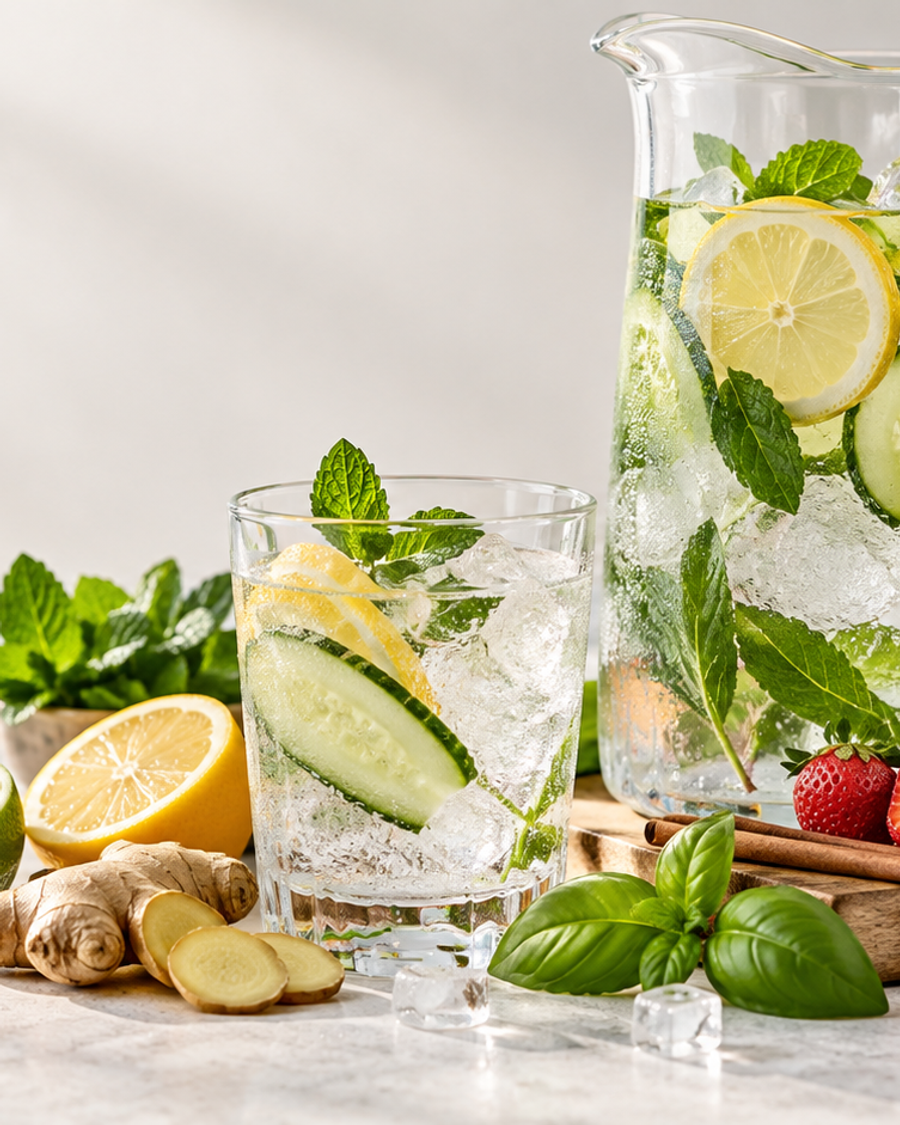
Drop a few lemon slices into cold water, or squeeze a little fresh juice into your glass. Lemon adds a bright, tart taste and a fresh smell. No sugar or syrup needed.
There is also a link to kidney health.
Citrus fruits contain a natural substance called citrate. Citrate can attach to calcium in your urine, which may make it harder for some kinds of kidney stones to form. A review that pooled results from several studies found that people who had citrus products ended up with more citrate in their urine than people who did not.
Another review looked at citrus juices and kidney stones. It found that these juices can raise citrate, but the research is not strong enough to treat lemon water like a kidney stone medicine.
The key point: lemon water is still water.
Lemon does not make water “more hydrating.” It just makes water nicer to drink, with a little citrus science on the side.
2. Fresh Lime
If lemon feels too predictable, try lime.
Lime has a sharper, more fragrant taste. It goes well with:
- Cucumber
- Mint
- Ginger
- Strawberries
- Sparkling water
Use fresh lime wheels, or squeeze a little juice into your glass.
The CDC suggests adding a wedge of lime or lemon as an easy way to drink more water.
Try this: Lime + cucumber + mint
It tastes far more interesting than plain water, and you won’t miss the sugar.
3. Cucumber
Cucumber is for the person who does not want water to taste fruity.
It gives water a light, clean, cool flavor.
Add several thin slices to a pitcher and chill it in the fridge.
For a bolder mix: Cucumber + lime + mint
Cucumber is also a good reminder that flavor can come from smell and freshness, not only from sweetness.
4. Fresh Mint
Mint changes how water smells, tastes, and feels.
It smells fresh. It tastes cool. And it goes with almost everything on this list.
Try:
- Mint + lemon
- Mint + lime
- Mint + cucumber
- Mint + berries
Gently rub the leaves between your fingers before you add them. This releases more of their scent.
Want a ready-made recipe? The Hydration Bar MD Cucumber Mint Citrus Cooler uses this same flavor family.

5. Fresh Berries
Strawberries, blueberries, raspberries, and blackberries give water a pretty color and a soft fruit flavor.
Lightly crush a few berries before adding them to your bottle or pitcher.
Here is where we need to be exact.
Berries have natural sugar.
So berry water is a no-added-sugar drink. It is not always a zero-sugar drink.
If your goal is to skip added sugar, berries are a great pick.
If your goal is almost no sugar at all, choose herbs, spices, citrus zest, or unsweetened tea instead.
6. Orange Slices
Orange gives water a softer, sweeter scent than lemon or lime.
Add a few thin slices. You are flavoring water, not making orange juice.
Try: Orange + mint, or orange + rosemary
Grapefruit can change how the body handles certain medicines. A few close relatives, such as Seville (bitter) oranges and pomelos, may do the same. This is about your medicine, not about hydration.
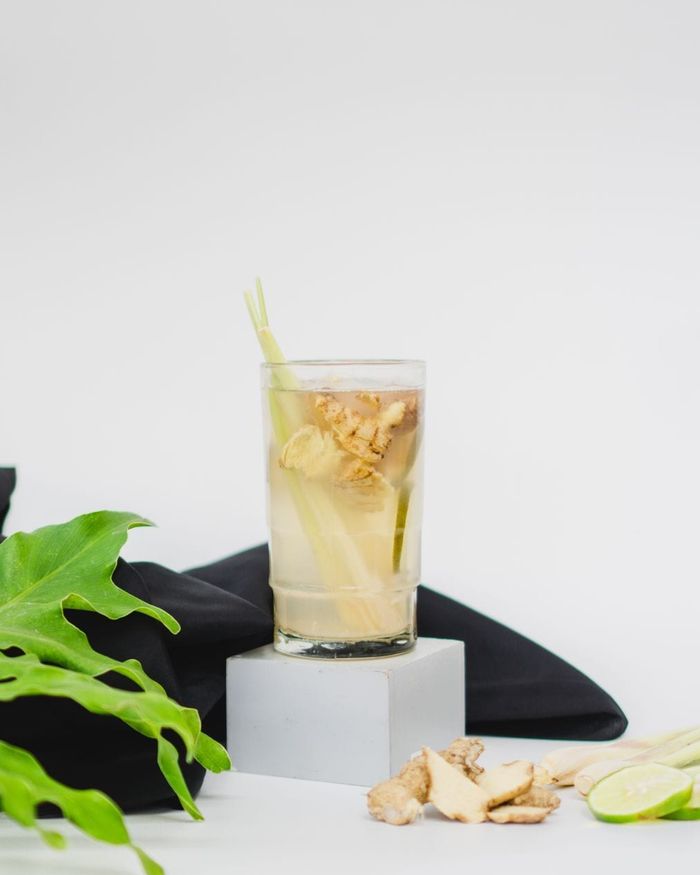
7. Fresh Ginger
Ginger is one of my favorites for people who want water with personality.
A few thin slices add a warm, spicy kick with no sugar.
Ginger also has real research behind it. We just need to be careful about what that research means.
Reviews of many studies have found that ginger may help with some kinds of nausea and vomiting, such as nausea after surgery or during pregnancy.
That does not mean a few slices of ginger floating in water will treat nausea.
Most of those studies used measured doses of ginger, often as a supplement. They did not test everyday ginger water.
Ginger water can be a pleasant drink. It is not a medical treatment.
Try: Ginger + lemon, or ginger + cucumber + lime
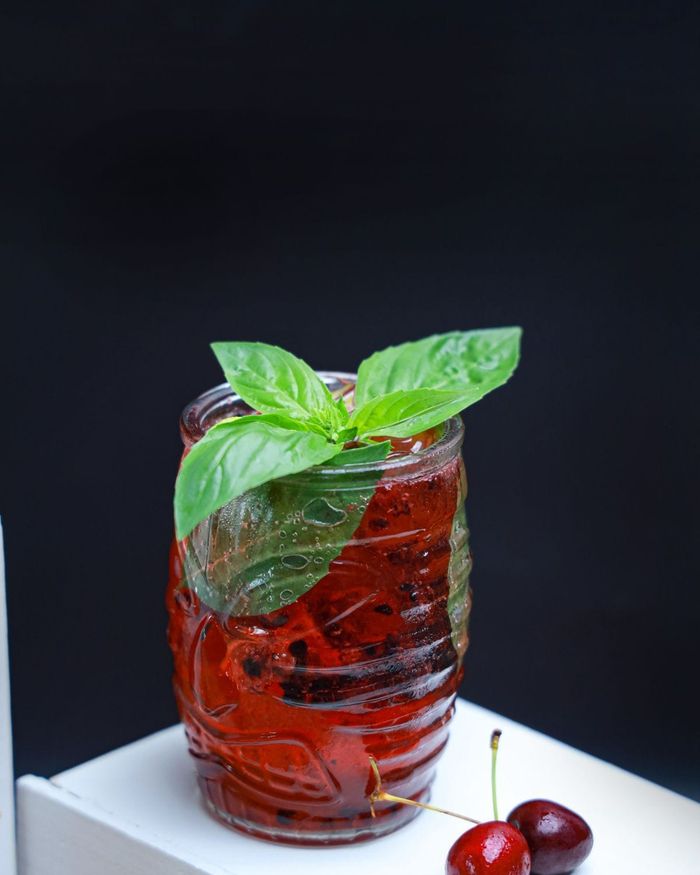
8. Fresh Basil
Basil makes plain water feel like something you would order at a restaurant.
Try:
- Strawberry + basil
- Lemon + basil
- Watermelon + basil
Basil is another reminder that water does not need to be sweeter to taste better. Herbs add depth without adding sugar.
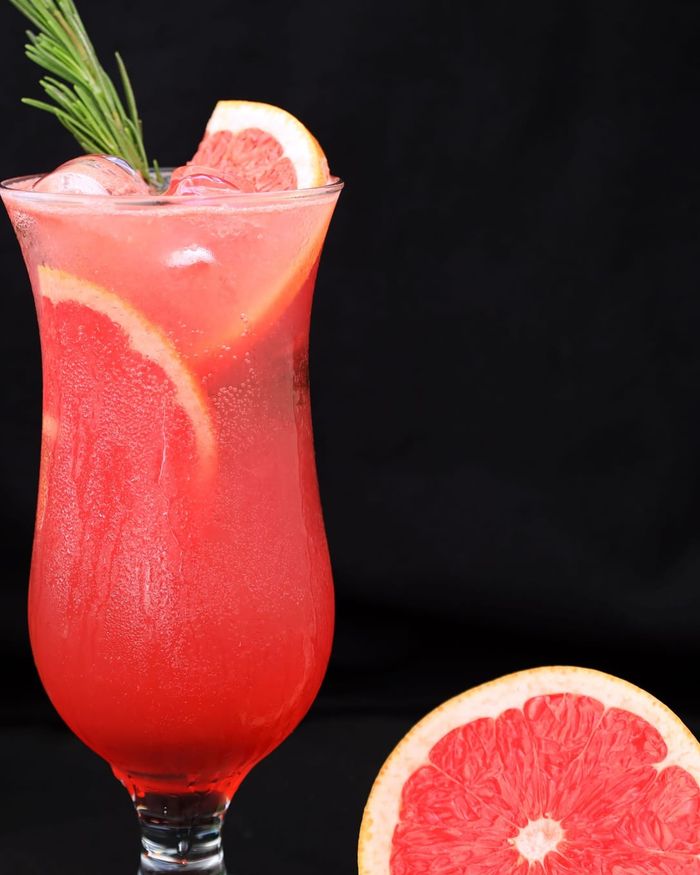
9. Rosemary
Rosemary is stronger than mint or basil, so start with one small sprig.
It is especially good with citrus.
Try:
- Orange + rosemary
- Lemon + rosemary
- Grapefruit + rosemary (check the medicine note in tip 6 first)
Rosemary and citrus are also a great match for sparkling water when you want something that feels a little fancy.
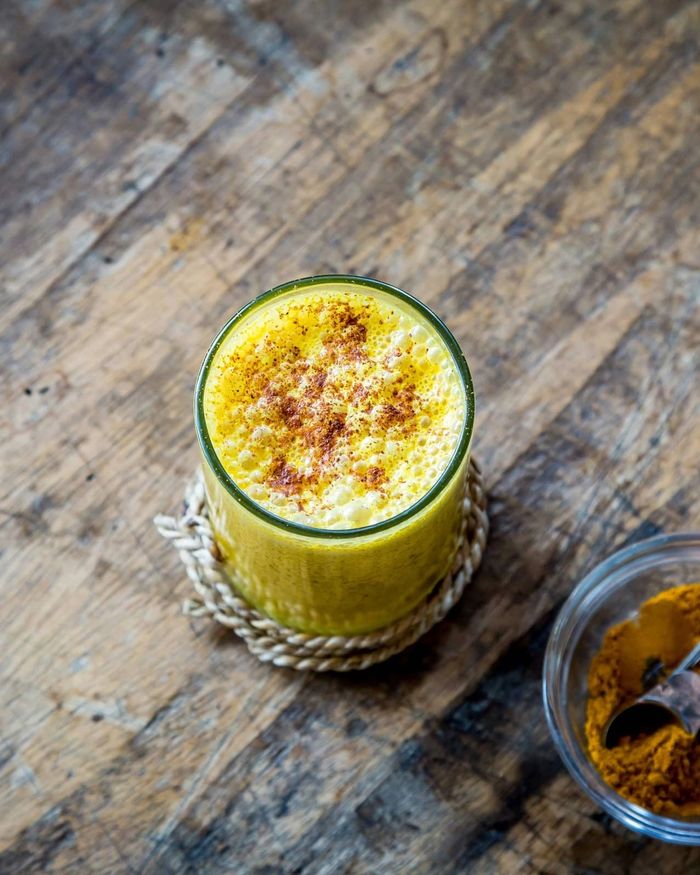
10. Cinnamon Stick
Cinnamon gives water a warm, cozy scent. That scent can make water seem sweeter, even though no sugar has been added.
Use a whole cinnamon stick. Powdered cinnamon does not mix into water well.
Try: Orange + cinnamon, or apple + cinnamon
One caution. You may have heard that cinnamon has been studied for blood sugar. That does not make cinnamon water a treatment for diabetes.
Flavor is flavor.
Medicine is medicine.
They are not the same thing.
11. Unsweetened Hibiscus Tea
Here is a whole new way to think about it:
Stop calling it “flavored water.” Call it unsweetened tea.
Brew hibiscus tea, let it cool, and pour it over ice.
You can add:
- Lime
- Lemon
- Mint
- Berries
You will find cold-brew hibiscus in the Hydration Kitchen at Hydration Bar MD, so this one fits right in with how we like to hydrate.
Just be sure the tea is unsweetened. Once sugar or syrup goes in, it becomes a different drink.
12. Unsweetened Green Tea
Green tea is also good cold and unsweetened.
And here is a hydration myth worth clearing up:
The caffeine in tea does not cancel out the water in the cup.
A review of the research on caffeine and fluid balance found that normal amounts of caffeinated drinks do not seem to dry out healthy people who are used to caffeine.
A newer study gave adults green tea or water after heat had left them mildly dehydrated. It reported that green tea did not make them lose more fluid than water did.
So if you enjoy unsweetened green tea, it can count toward your daily fluids.
Try: Cold green tea + lemon, or cold green tea + mint
13. Sparkling Water + Citrus
Maybe the problem isn’t water.
Maybe the problem is flat water.
If you miss the fizz of soda, sparkling water gives you bubbles without the added sugar. Just pick one that is unsweetened.
In a study that compared how well different drinks hydrate, sparkling water did about as well as still water.
Try:
- Sparkling water + lime
- Sparkling water + lemon
- Sparkling water + orange peel
- Sparkling water + mint
Always check the label. A drink can be “sparkling” and still have added sugar.
14. Citrus Zest
This is one of my favorite tricks.
You don’t always need the juice.
Citrus peel is full of fragrant natural oils. A little zest gives water a big citrus scent.
Try a small amount of:
- Lemon zest
- Lime zest
- Orange zest
You get a strong citrus taste without squeezing half a lemon into your bottle.
Since you are using the peel, wash the fruit well first.
A note about your teeth
Citrus is acidic.
You do not need to give up lemon or lime water. But acidic drinks may wear down tooth enamel over time, especially when you sip them all day long.
A simple fix is to have citrus water with meals, or to finish it in one sitting, so the acid is not on your teeth for hours.
15. Create Your Own Flavor Combination
This may be the most useful tip of all.
Stop looking for one perfect ingredient. Mix and match.
Think: Base + Flavor + Aromatic
Here are some ideas:
- Refreshing: Cucumber + lime + mint
- Bright: Lemon + orange + mint
- Berry: Strawberry + blueberry + basil
- Spicy: Ginger + lemon + cucumber
- Herbal: Orange + rosemary
- Warm: Apple + cinnamon
- Tea-based: Hibiscus + lime
You don’t need a fancy recipe.
You need a mix that makes you think:
“I’d drink that.”

The goal isn’t sweeter water.
It’s water you will want to drink.
No Added Sugar vs. Zero Sugar: What’s The Difference?
People use these two terms as if they mean the same thing.
They don’t.
No added sugar means you have not put in:
- Table sugar
- Honey
- Agave
- Syrup
- Sweetened juice
- Other sweeteners with calories
Fruit can still bring a little natural sugar of its own.
Zero sugar means the drink has almost no sugar at all.
Here is how that plays out:
- Mint water: Almost zero sugar.
- Cucumber water: Very little sugar.
- Lemon water: Usually very little. It depends on how much juice you use.
- Strawberry water: May have a small amount of natural sugar.
- Orange water: May have some natural sugar.
That is why I like the phrase “without added sugar.”
It is more accurate.
What About Sugar-Free Flavor Packets?
They can be helpful.
But “sugar-free” does not always mean “healthy.”
Read the label and look at:
- Calories
- Added sugars
- Sodium
- Caffeine
- Sweeteners
- The ingredient list
For some people, a no-calorie flavor packet is just the thing that helps them drink enough water.
Others would rather use fresh ingredients.
Both are fine. There is no prize for making hydration harder than it needs to be.
What About Lemon Water And Kidney Stones?
Lemon water gets a lot of hype online, so let’s be clear about what the evidence supports.
Drinking enough fluid is one of the most important things you can do to help prevent kidney stones.
Citrus can also raise the citrate in your urine. That may help people who tend to get certain calcium-based stones.
But:
Lemon water is not a sure cure for kidney stones.
It also does not replace a visit with your doctor, especially if you have had kidney stones more than once.
What About Ginger Water And Nausea?
This is another place where online wellness advice runs ahead of the science.
Ginger does have real evidence behind it for some kinds of nausea, in certain groups of people and in certain situations.
But a bottle of ginger water is not the same as a measured dose of ginger.
So think of ginger water as:
A tasty way to hydrate that happens to have ginger in it.
Not as:
A sure fix for nausea.
If you have vomiting that won’t stop, strong nausea, or trouble keeping fluids down, please call your doctor.
What If You Take Ozempic or Wegovy?
Staying hydrated can be harder for some people who take GLP-1 medicines.
You might have nausea or vomiting. You might not feel hungry. Or you might drink less simply because you feel full. A little flavor may make water easier to get down.
Small, frequent sips may also be easier than forcing down a big bottle all at once.
Heading out of town? Here is our guide to traveling while taking a GLP-1 medicine.
Hydration Doesn’t Have To Be All Or Nothing
Here is another mistake I see.
Someone decides, “I’m going to drink a gallon of water every day.”
They drink a huge amount on Monday.
They feel uncomfortable.
They forget about it on Tuesday.
By Friday, the bottle is back in the cupboard.
That is not a hydration plan. It is a short-lived challenge.
How much fluid you need depends on your body size, how active you are, the weather, what you eat, your stage of life, and your health.
That is why the Hydration Bar MD approach is not “drink as much water as you can.”
It is:
Hydrate with intention.
Learn your own fluid needs and build a plan around them instead of chasing a one-size-fits-all number.
The 7-Day Flavor Challenge
Don’t try all 15 ideas at once.
Try one each day.
- Monday: Lemon + mint
- Tuesday: Cucumber + lime
- Wednesday: Strawberry + basil
- Thursday: Ginger + lemon
- Friday: Orange + rosemary
- Saturday: Cold hibiscus + lime
- Sunday: Your favorite
Then ask yourself one question:
“Which one made me want to drink more water?”
That’s your winner.

Dr. Tosin’s Final Take
Maya didn’t need another water bottle.
She didn’t need a hydration powder.
She didn’t need a pricey wellness drink.
She needed to stop treating plain water like a test of discipline.
She started with cucumber, lime, and mint.
A few days later, she tried lemon and ginger.
In time, she found two mixes she truly liked.
And that changed the habit.
Not because flavored water hydrates better than plain water. It doesn’t.
It worked because she wanted to drink it.
That is the lesson I hope you take with you.
You don’t have to make water complicated.
You don’t need sugar.
You don’t need syrup.
You don’t need a “detox” powder.
You don’t need a $12 bottled drink.
Start with water.
Then add flavor if flavor helps you keep going.
Lemon. Lime. Cucumber. Mint. Berries. Ginger. Fresh herbs. Unsweetened tea. Sparkling water.
Find the mix that makes hydration feel less like a chore.
The healthiest drink is not always the one with the most ingredients.
Sometimes, it’s simply the one you drink.
Quick Reference: 15 Ways To Flavor Your Water

The Bottom Line
Water doesn’t need sugar to have flavor.
It needs the right ingredients.
If plain water bores you, change the flavor before you change the drink.
Add lemon. Try cucumber. Toss in some mint. Brew an unsweetened tea. Make it sparkling. Play around.
And remember:
- No added sugar doesn’t always mean zero sugar.
- Flavored water isn’t automatically healthier.
- Lemon water isn’t a miracle cure.
The real win is much simpler:
Finding a healthier drink you enjoy.
That is hydration you can live with.
Hydration. Reimagined.
Related Reading From Hydration Bar MD
If you enjoyed this guide, keep sipping with these physician-led reads from our community:
- Why Plain Water Is Still The Best Thing You Can Drink: Backed by Science
- The Morning Hydration Ritual That Actually Works: A Doctor’s Evidence-Based Guide
- How Much Water Should You Drink Before, During, and After Exercise?
- Can Dehydration Cause Kidney Stones?
- Does Drinking More Water Actually Improve Your Skin?