
Maya had been planning her girls trip to Seychelles for eight weeks.
The villa was stunning. Her swimsuit was packed. Her three closest friends were ready.
There was just one thing sitting quietly at the back of her mind.
Two days ago, her doctor increased her semaglutide dose. Her flight leaves at 9 p.m. tomorrow. Somewhere between packing her carry-on and the joy of the trip, Maya felt a knot forming in her stomach.
Not nausea. Not yet. She felt anxious. She wanted to enjoy every moment of the trip. But she wasn't sure how her body would react at 35,000 feet with a new dose on board.
She opened her phone and started searching.
What she found is exactly what this post is for.
In this post, you will learn:
- Why traveling on GLP-1 medications creates a triple dehydration risk
- What to do before you leave home: your pre-travel checklist
- How to stay hydrated during your flight
- How to manage nausea when GI symptoms hit at altitude
- Warning signs of dehydration you need to know before you board
- How to store your GLP-1 medication while traveling
- How to maintain your hydration routine at your destination
- How to time your dose around a planned trip
- Dr. Tosin's complete GLP-1 travel hydration protocol
Why Traveling on GLP-1 Medications Creates a Triple Dehydration Risk
GLP-1 medicines can cause nausea, vomiting, and diarrhea. These side effects can be worse when you start the medication or increase your dose.
Losing too much fluid causes dehydration. In rare cases, it can lead to sudden kidney injury. This is not a precautionary warning; it is in the Ozempic prescribing information.
Here is what makes travel specifically risky on these medications:
GLP-1 medicines reduce how much you want to drink. These medications do not just suppress appetite, they also suppress thirst through the same brain pathway. You may not feel thirsty even when your body genuinely needs fluid.
Airplane cabins are dry. Plane cabins are dry, have low air pressure, and offer little space to move. During a flight, you lose more water through breathing than usual. Sitting still for several hours reduces fluid moving through your bloodstream. The dry cabin air makes it easy to forget to drink.
GI side effects compound everything. Nausea, vomiting, and diarrhea can increase the risk of dehydration. This risk grows when combined with reduced thirst and dry cabin air.
These three factors do not just add up, they multiply each other. That is the triple risk.

Before You Leave Home: Your Pre-Travel Hydration Checklist
Plan your dose around your trip. GI side effects are often worse when you start a GLP-1 medicine or raise the dose. If possible, ask your clinician whether a new dose or dose increase should wait until after your trip. Do not change your schedule without medical advice.
Use electrolytes only when you need them. Drinks with sodium help your body hold onto fluid after vomiting, diarrhea, or heavy sweating. Pack electrolyte packets as a backup. Plain water is usually enough when you are eating normally and have no major fluid losses.
Know whether you have a fluid limit. Some people with heart failure or advanced kidney disease need to limit how much they drink. They should not use high-sodium electrolyte products without speaking to a physician first. Always follow your personal fluid plan if you have one.
How To Stay Hydrated During Your Flight: The In-Flight Protocol
Drink on a schedule, not only when you feel thirsty. GLP-1 medicines and travel both make thirst less reliable. Take small sips often throughout the flight. Do not wait to feel thirsty before drinking.
Staying hydrated does not prevent blood clots on long flights. To reduce your blood clot risk, walk, stretch your legs, and follow your doctor's advice. These are separate concerns.
Avoid strict one-size-fits-all amounts. There is no proven rule that everyone needs a glass of water every 30 minutes. Sip based on your own needs, your symptoms, and the length of your flight. If your doctor has given you a fluid limit, stay within it.
Choose water first. Moderate amounts of coffee and tea contribute to your daily fluid intake — they do not automatically dehydrate you. Alcohol increases urination and can worsen sleep, nausea, and dehydration. Limit or avoid alcohol on flights, especially when you are on a GLP-1 medication.
Managing Nausea on a Plane: What to Do When GI Symptoms Hit at Altitude
Take small, frequent sips. When you feel nauseated drinking a small amount may feel more manageable than a large amount at once. Research has not clearly proven that small sips prevent nausea or vomiting but they are generally better tolerated and keep fluid going in.
Ginger may help. Ginger tea is well known for easing nausea. Evidence for motion sickness is mixed. If you take blood thinners, check with your doctor. Don't use concentrated ginger supplements without their approval. Standard ginger tea bags are generally fine.
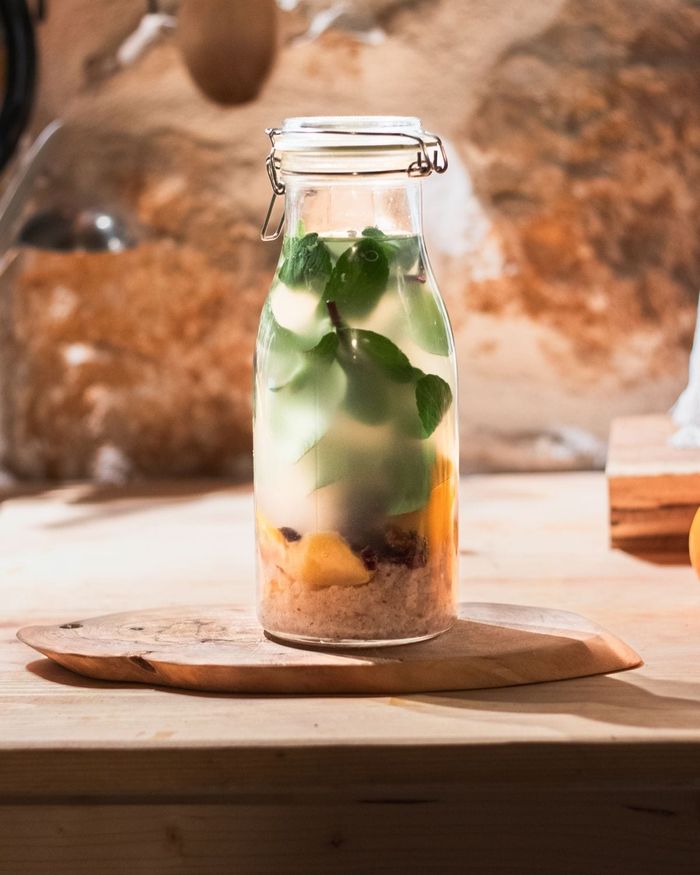
Add a light flavor if it helps you drink. Try lemon, cucumber, mint, or a lightly flavored electrolyte drink. Choose options with little or no added sugar. If flavor makes water easier to drink, that is a genuine benefit.
Choose the temperature you tolerate best. Cold, room temperature, and warm fluids can all work. Research has not shown that one temperature is always better than another. Go with whatever feels easiest on your stomach.
Warning Signs of Dehydration on GLP-1 Medications: Know These Before You Board
Know when to get help. If you keep vomiting or have diarrhea and cannot keep fluids down call your healthcare professional right away. Do not take your next GLP-1 dose until you have spoken to a clinician. Drinking more water alone may not be enough. Severe fluid loss can lead to sudden kidney injury.
Watch for these warning signs:
- Dark urine or passing little to no urine
- Dizziness when standing up
- Dry mouth that does not get better with sipping
- Weakness or unusual tiredness
- Worsening nausea
There is no special dehydration checklist designed specifically for GLP-1 users. Don't ignore these warning signs while on this medication. Acting quickly is important, as the consequences can be serious.
If you experience any of the following, seek medical attention immediately
- Cannot keep any fluid down for four or more hours
- Confusion or disorientation
- Rapid or irregular heartbeat
- Feeling faint
- Severe abdominal pain
- Little or no urination for eight or more hours
Always tell the doctor you see that you are taking a GLP-1 medicine. Ongoing vomiting or diarrhea from these medications can harm the kidneys. This information changes how you should be assessed and treated.
How To Store Your GLP-1 Medication While Traveling — The Complete Guide
Ozempic storage: Before first use, keep it refrigerated at 36 to 46°F — 2 to 8°C. Never freeze it and throw it away if it has been frozen. After first use, it can stay refrigerated or at room temperature between 59 and 86°F — 15 to 30°C — for up to 56 days. Keep the cap on and protect it from heat and light.
Check your exact medication. Ozempic, Wegovy, oral Rybelsus, and other GLP-1 products have different storage rules. Read your product label or ask your pharmacist before you travel. Do not assume the rules are the same across all products.
Pack it safely. Keep your medication in your carry-on bag. Checked luggage can become too hot or freeze during handling. If you need to keep the medication cool, use an insulated case or a cool pack. Do not put the medication directly on ice or frozen gel packs.
At Your Destination: How to Maintain Your Hydration Routine Away from Home
Keep drinking after you land. Jet lag can disrupt your thirst signals and your normal daily routine. Keep sipping regularly in the first day or two at your destination. Do not wait until you feel thirsty.
Adjust for heat and activity. Hot weather and exercise increase fluid loss. Water is usually enough for light activity. Electrolytes can help after sweating, vomiting, or diarrhea. But not everyone needs them daily.
Keep your weekly dosing day consistent. You can usually take your GLP-1 medicine on the same local weekday while traveling. Avoid missing or doubling a dose. Check your medication instructions. You can also ask your pharmacist. The rules for changing your dosing day vary by product.
How To Time Your GLP-1 Dose Around A Planned Trip
Ask your physician before changing anything. Before your trip, check with your healthcare professional. Ask if you should continue your current dose that you tolerate well until you get back. Do not delay or change your medication without medical guidance.
Dose increases are a sensitive time. GI side effects often become worse after each dose increase. When possible, plan travel after you have had time to adjust to a new dose—often one to two weeks or longer. This is a practical strategy, not a guaranteed rule.
You may be able to delay a dose increase. Some people need to stay on the same dose a little longer while side effects improve before going up. Check with your healthcare professional about whether waiting until after your trip makes sense for your situation.
A slower increase may improve tolerance. Medical guidance helps to extend a dosing stage, return to a safe dose, or increase doses more slowly. Never make these changes on your own
Doses and schedules differ between Wegovy, Ozempic, Saxenda, and other GLP-1 medicines. Always follow the instructions for your exact product.
If you miss a weekly semaglutide dose:
Ozempic: Take the missed dose within five days. If more than five days have passed, skip it and take your next dose on your regular day.
Wegovy: Follow its separate missed-dose instructions. If you miss two or more doses, ask your healthcare professional whether you need to restart at a lower dose.
After several missed doses, restarting slowly may reduce GI side effects. Never take two doses at once to make up for a missed one. Always check your product label or contact your pharmacist.
If you stop your medication for several weeks: Don't go back to your old high dose. This can cause severe nausea, vomiting, or delayed stomach emptying. Contact your healthcare professional first. You may need to restart at a lower dose and increase it gradually.
Prepare for Side Effects Before You Travel
These steps can help reduce GI side effects during travel.
- Eat smaller, lower-fat meals
- Eat slowly and stop when you feel full
- Limit alcohol, fatty foods, and carbonated drinks
- Sip fluids regularly throughout the day
- Pack familiar foods that you know you tolerate well
If you frequently feel strong nausea, talk to your doctor. You may get a short-term anti-nausea medicine before you travel. These medicines have different risks. They can cause constipation, drowsiness, abnormal heart rhythms, and movement-related side effects. So the best choice depends on your situation.
A different GLP-1 medication may be worth discussing. Some people tolerate dulaglutide better than semaglutide or tirzepatide. However, it may lead to less weight loss. If side effects keep bothering you, talk to your doctor about other options. Do not switch medications immediately before a trip without a medical plan in place.
Dr. Tosin's Complete GLP-1 Travel Hydration Protocol: Before, During, and After
What To Pack
Fluids:
- An empty refillable water bottle. Fill it after security and ask the crew for refills during the flight
- Try to drink about a full glass each hour you’re awake. A good daily goal is 2 to 3 liters, unless your doctor says to limit fluids.
- Sugar-free and low-sugar drinks count toward your total
Electrolytes:
- Electrolyte powder packets or tablets, single-serve and TSA-friendly
- Most useful if you have any vomiting or diarrhea
- Choose low-sugar options and add to water as directed
Foods that help you hydrate and settle your stomach
- Water-rich snacks: cucumber, melon, oranges, grapes
- Bland foods for nausea: crackers, pretzels, plain toast and bananas
- A small protein snack so you still get nutrition when your appetite is low
Symptom Control: Talk to your doctor before the trip
- Any anti-nausea medicine your doctor recommends
- Anti-diarrheal medicine for emergencies
- Ginger chews or ginger tea bags for mild nausea
Medication and comfort items:
- Your medication pen kept cool per the label (with a copy of your prescription)
- Lip balm and a small moisturizer: dry cabin air affects skin too
In-Flight Habits
- Sip fluids every hour. Do not wait until you feel thirsty.
- Eat small amounts slowly and stop when you are full
- Skip or limit alcohol and carbonated drinks — both can worsen nausea and dehydration
- Avoid heavy fried or greasy meals before and during the flight
- Get up and move or stretch when you can
Warning Signs to Watch For
- Dark urine or passing little to no urine
- Dizziness, lightheadedness, or feeling faint
- Fast heartbeat or palpitations
- Persistent vomiting or diarrhea and inability to keep fluids down
- Confusion or extreme weakness
If you cannot keep any fluids down or you have any of the serious signs above, seek medical care immediately.
Your Quick Pre-Trip Checklist
- ☐ Refillable water bottle
- ☐ Electrolyte packets or tablets
- ☐ Water-rich and bland snacks
- ☐ Anti-nausea and anti-diarrheal medicines, as advised by your doctor
- ☐ Ginger chews or tea bags
- ☐ Medication, cooling case, and prescription copy
- ☐ Plan to sip fluids every hour

The Bottom Line
Maya boarded her flight with everything she needed.
She had spoken to her physician. She had checked her urine color before leaving. She had packed her electrolyte sachets in the front pocket of her carry-on. She set a sip timer before she buckled her seatbelt.
The knot in her stomach before the flight had been real. The anxiety had been valid. But it had also been answerable.
Three things to remember from this post.
One, GLP-1 medications suppress your thirst signal. Travel makes fluid loss worse. These two things together need a plan, not good intentions.
Two, GI symptoms on GLP-1 therapy during travel are not uncomfortable. If you can’t keep fluids down due to vomiting or diarrhea, it’s a medical problem. Know when to stop and get help.
Three, talk to your physician before you travel on a new or recently increased dose. Five minutes of physician guidance before your flight is worth more than any kit.
Are you on a GLP-1 medication and planning to travel? Tell me in the comments. I read every single one. Share this with someone who has been nervous about their medication and their next trip.
Subscribe to Hydration Bar MD for weekly physician-written hydration guidance delivered each week.
Medical Disclaimer: The content on Hydration Bar MD is for educational purposes only and does not constitute medical advice. GLP-1 medications are prescription drugs with specific dosing, storage, and safety requirements that vary by product. Always follow the instructions for your exact medication and consult your physician or pharmacist before making any changes to your treatment plan, hydration routine, or travel schedule. If you experience persistent vomiting, diarrhea, inability to keep fluids down, dizziness, confusion, or no urination while traveling, seek emergency medical attention immediately and inform the clinician you take a GLP-1 medication. Patient stories and characters featured on Hydration Bar MD are fictional composites created for educational illustration. They do not represent real individuals.