Priya had been drinking oat milk for eighteen months.
She switched to oat milk for all the right reasons. It was better for the planet and creamy in her morning latte. And honestly, she just liked it.
Then last Tuesday, she drove past a billboard on her way to work.
Milk hydrates better than water.
She almost missed her exit.
That billboard made her wonder: was her chosen oat milk failing her hydration needs?
She is not alone. Millions of people are asking the same thing in 2026. Most are getting incomplete answers from a billboard, a TikTok, or sponsored content.
Here is what the research actually shows.
In this post, we will cover:
- The science of hydration and the Beverage Hydration Index
- We will explore whether dairy milk actually hydrates better than water.
- What electrolytes are in milk and why do they matter?
- Lactose intolerance and its impact on hydration
- How oat milk, almond milk, soy milk, and pea milk compare — ranked by a physician
- Explore whether kefir hydrates you and learn the truth about fermented milk.
- Which milk is right for your health condition and lifestyle?
- How to Use Milk in Your Daily Hydration Routine
- The bottom line — Dr. Tosin's complete milk hydration ranking
What Makes a Beverage Hydrating? The Science You Need to Know
Hydration is not just about how much you drink. It is also about how long your body holds onto that fluid.
In 2016, scientists created the Beverage Hydration Index (BHI). Plain water gets a score of 1.0. All other drinks are compared to it. The higher the score, the better the drink keeps you hydrated.
In the original study, 72 healthy men drank four cups of one of 13 different drinks. Researchers then collected urine for four hours to measure how much fluid each drink kept in the body.
Four things make a drink more hydrating. Electrolytes, especially sodium, tell the kidneys to hold water instead of releasing it. Calories from sugar or fat slow the rate at which a drink leaves the stomach. Protein slows digestion and helps the body keep the right fluid balance. Diuretics, such as alcohol and high caffeine, have the opposite effect. They lead to more water loss.
Does Dairy Milk Actually Hydrate Better Than Water? What the Research Says
Yes, and the difference is bigger than most people expect.
In the BHI study only three drinks kept more fluid in the body than plain water over four hours. These were an oral rehydration solution with a BHI of 1.54, skim milk with a BHI of 1.58, and whole milk with a BHI of 1.50.
Every other drink tested such as cola, diet cola, hot tea, iced tea, coffee, orange juice, sparkling water, and a sports drink hydrated people about the same as plain water.
Milk worked just as well as a medical oral rehydration solution. That was the biggest surprise.
After exercise, the results were even clearer. Seven active men lost about 2% of their body weight through sweating. They then drank enough to replace 150% of the fluid lost using milk, a sports drink, or water. Five hours later, the men who drank milk still had 117 mL more fluid in their bodies than they had lost. The sports drink showed a net loss of 381 mL. Plain water showed a net loss of 539 mL. Milk was the only drink that maintained optimal hydration five hours after exercise.
What Electrolytes Are Actually in Milk and Why They Matter for Hydration
Think of milk as a natural hydrating drink. It works much like a medical oral rehydration solution, with added protein and healthy fat.
Sodium is the most important mineral for retaining water. It keeps the right fluid level in the blood and stops the kidneys from releasing too much water. Potassium moves water into the body's cells. Chloride works with sodium to keep fluid balance healthy. Milk contains about 8 grams of protein per cup, which slows the rate at which it leaves the stomach and gives the body more time to absorb fluid. Lactose and fat provide calories that slow digestion further.
Milk provides everything a sports drink does plus protein and potassium in one natural package.
Lactose Intolerance: Do You Have to Miss Out on Milk's Hydration Benefits?
About 70% of adults have some trouble digesting lactose. But this does not mean missing out on milk's hydration benefits.
Most people with lactose intolerance can drink one to two cups of milk per day without symptoms especially with a meal or spread throughout the day.
Yogurt is often easier to digest. The live bacteria break down lactose before it reaches the gut. Many people with lactose intolerance can eat yogurt with up to 20 grams of lactose without symptoms. This only works with yogurt containing live and active cultures, look for that on the label.
Lactose-free milk removes the lactose but keeps the protein, sodium, potassium, and chloride intact. It hydrates just as well as regular milk.
If you cannot consume any dairy, research shows fortified soy milk keeps people just as hydrated as skim milk. It is the best-studied dairy-free option for hydration.
One important distinction: lactose intolerance is a digestion issue. A cow's milk allergy is an immune reaction to milk proteins. People with a milk allergy must avoid all dairy completely.
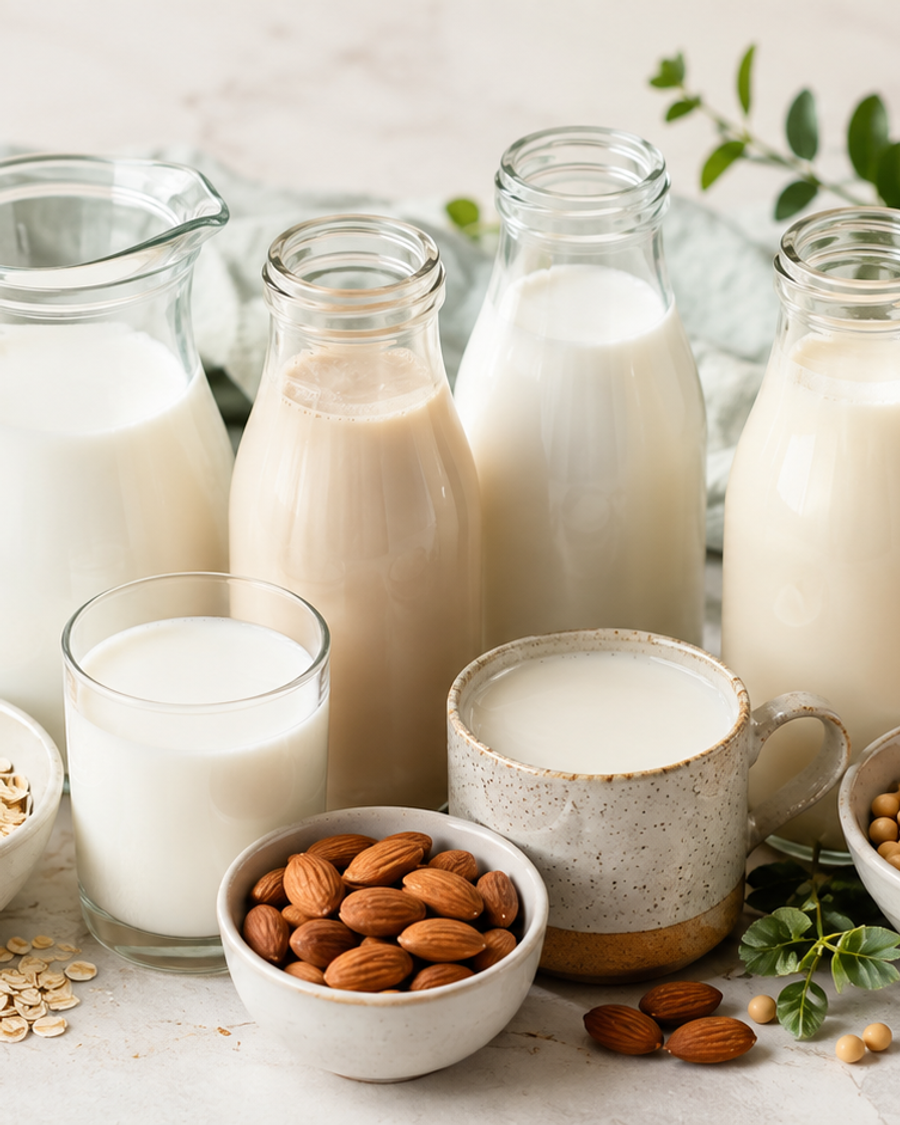
Oat Milk, Almond Milk, Soy Milk, Pea Milk: A Doctor Ranks the Top Choices for Hydration
Plant-based milks are not direct nutritional replacements for cow's milk. They differ significantly in their levels of protein, vitamins, minerals, and hydration value.
Fortified Unsweetened Soy Milk: Best Plant-Based Choice. It contains 7 to 8 grams of protein per cup, almost the same as dairy milk. The only plant milk proven to hydrate as well as skim milk. May also help lower bad cholesterol and blood pressure. Always choose fortified and unsweetened.
Pea Milk: Strong Second Choice. Also provides 7 to 8 grams of protein per cup. Good for people who cannot have soy or nuts. Brands vary significantly, so always check the label.
Oat Milk: Good For Coffee, Moderate For Hydration. It contains only 2 to 4 grams of protein per cup. Without enough protein or natural electrolytes, it does not hydrate as well as cow's milk or soy milk. While it works as a fine everyday drink, it is not your strongest hydration choice.
Almond Milk: Most Popular, Least Hydrating. Only 1 gram of protein per cup. High in oxalates and drinking large amounts may raise kidney stone risk in some people. It is fine if you enjoy it, but it is not a strong hydration option.
As for other options: Rice milk is very low in protein and may contain trace amounts of arsenic. Coconut milk beverages are low in protein. Hemp and cashew milks are similar to almond milk in hydration value.
One critical note: Only about half of plant milks are fortified with calcium. Only one in four has added vitamin D. Organic versions are often not fortified at all. Iodine and zinc are key for thyroid health and immunity. They’re rarely found in plant milks.
Does kefir hydrate You? The Truth About Fermented Milk and Gut Health
Kefir has not been tested with the BHI. But it retains most of the water, protein, sodium, potassium, and chloride from the milk it is made from. It likely hydrates similarly to milk.
Fermentation breaks down most of kefir's lactose , making it easier to digest for many people with lactose sensitivity.
In one study, twenty-eight adults who drank kefir daily for two weeks showed growth in helpful gut bacteria and increases in compounds that support the gut lining. A large review of 37 studies on fermented dairy found improvements in stomach pain, gas, bloating, constipation, and IBS symptoms. Fermented dairy is also linked to a 4% lower risk of stroke and heart disease, a 27% lower risk of type 2 diabetes, and a 24% lower risk of hip fracture in postmenopausal women.
Which Milk Is Right for Your Health Condition and Lifestyle
Choose skim or low-fat milk after exercise. Drink 150% of the fluid lost, spread over two to three hours, not all at once.
Lactose intolerance: Lactose-free milk, yogurt with live cultures, or fortified soy milk.
Cow's milk allergy: Fortified soy milk or pea milk.
If you have high LDL cholesterol or high blood pressure, try fortified unsweetened soy milk. It may help lower both.
Type 2 diabetes or metabolic syndrome: Plain unsweetened yogurt or kefir. Limit oat milk and rice milk. They have more carbohydrates than other choices.
If you have a history of kidney stones: Avoid almond milk — high oxalate content may raise your risk.
Perimenopausal women: Dairy milk, lactose-free milk, or kefir provide calcium and magnesium depleted by hormone changes and sweating. Yogurt has been linked to a 24% lower risk of hip fracture after menopause.
GLP-1 medication users: Kefir and drinkable yogurt with live cultures are easier to tolerate with nausea, provide electrolytes, and support gut health.
Older adults: Dairy or fortified soy milk provides both fluid and protein. Note that milk's hydration advantage may be smaller in adults over 65 as the body handles fluid differently with age.
Children under three: Cow's milk is best. If dairy is not possible choose fortified soy milk, the only plant milk providing enough protein for healthy growth in young children.
IBS or frequent stomach problems: Yogurt or kefir with live cultures are linked to less pain, gas, and constipation.
Environmental priority: Fortified soy milk has a much lower environmental footprint than dairy while providing comparable protein and hydration.
How to Use Milk in Your Daily Hydration Routine Starting Today
Water is still your primary fluid source. Milk is a smart addition at specific moments and not an all-day replacement.
With breakfast: A glass of milk or plain yogurt replaces fluid lost overnight while providing protein and calcium.
After exercise: Skim or low-fat milk within 30 to 60 minutes. Drink gradually over two to three hours. Chocolate milk at this timing has been confirmed effective in multiple studies for recovery and rehydration.
One daily fermented serving: Half to one cup of kefir or yogurt with live cultures, the amounts used in studies showing gut bacteria improvements.
During hot weather or illness: Milk provides both fluid and electrolytes in one practical choice especially useful after heavy sweating or when mildly unwell.
Smart shopping tips: Choose unsweetened versions. Look for added calcium and vitamin D. Choose yogurt with Live and Active Cultures on the label. Shake plant milk before pouring, vitamins and minerals settle to the bottom.
The Bottom Line — Dr. Tosin's Complete Milk Hydration Ranking
Tier 1: Better Than Water For Hydration. Skim milk is best for everyday hydration and post-exercise recovery. Whole milk outperforms water, but its high saturated fat content limits everyday use. Lactose-free milk hydrates just like regular milk. It’s a good option for those with lactose intolerance.
Tier 2: Excellent Choices. Fortified unsweetened soy milk is the only plant milk that hydrates like skim milk. Kefir and drinkable yogurt with live cultures have milk-level hydration plus probiotic benefits.
Tier 3 :Good Drinks, No Extra Hydration Benefit. Pea milk · Water · Oat milk · Sports drinks
Tier 4 :Enjoy Occasionally, Not as Milk Replacements .Almond milk ·Rice milk · Coconut milk beverage ·Coconut water
For everyday hydration, choose skim milk or fortified soy milk. Everything else is either comparable to water or best enjoyed for taste rather than hydration.
Did this change how you think about your morning latte or post-workout drink? Tell me in the comments. I read every single one.
Subscribe to Hydration Bar MD for weekly physician-written hydration guidance delivered every Tuesday morning.
Medical Disclaimer: The content on Hydration Bar MD is for educational purposes only and does not constitute medical advice. Always consult your physician for personal medical guidance especially if you have kidney disease, a milk allergy, or any condition that affects your diet. Patient stories and characters featured on Hydration Bar MD are fictional composites created for educational illustration. They do not represent real individuals.