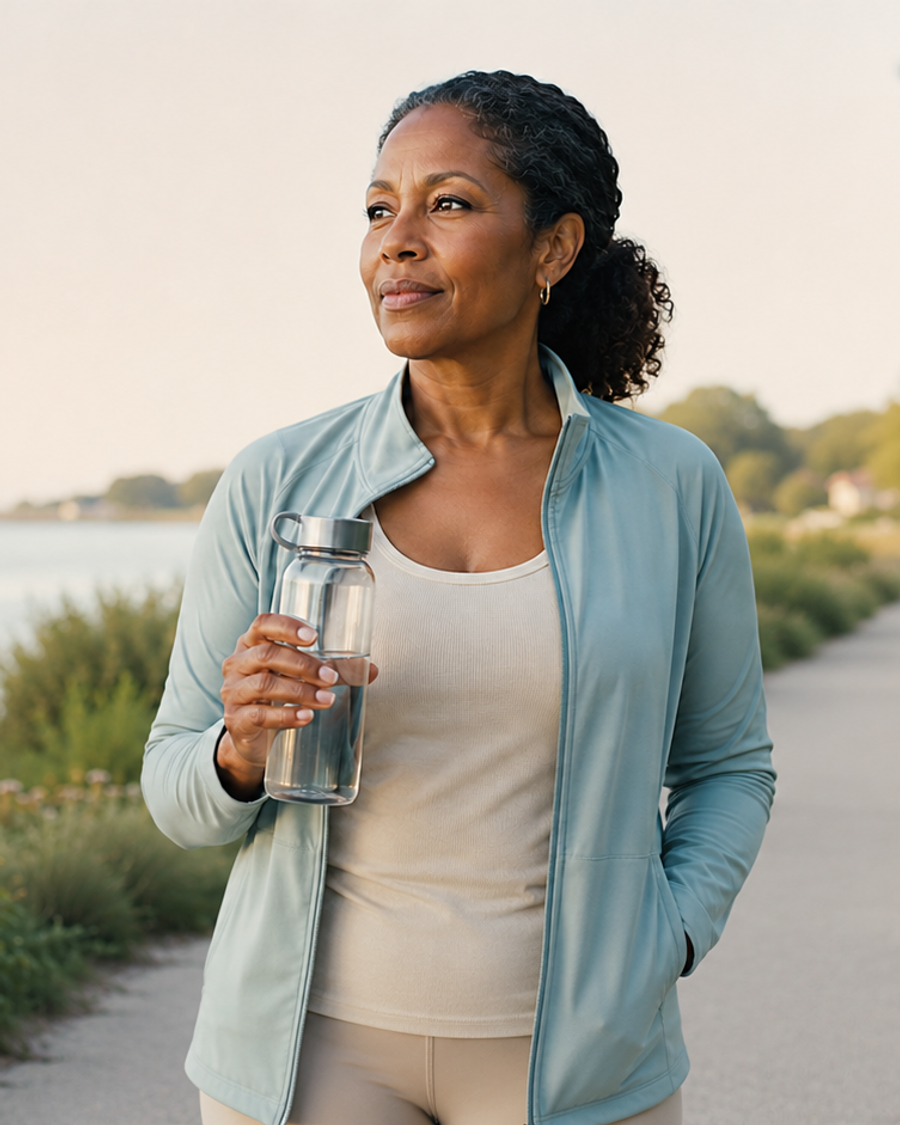
Diana had been keeping a list.
It did not start on purpose. She had been collecting mental notes for months, noticing little things that did not quite add up.
The headaches that showed up out of nowhere by mid-afternoon. The dry mouth she woke up with every single morning. The skin that felt as if it belonged to someone older. The brain fog was so thick some days she could not find the right word mid-sentence. The exhaustion that sleep did not seem to fix.
She is forty-seven years old. She eats well, exercises when she can, and does everything right.
Her doctor confirmed what she had suspected — she was in perimenopause. The hormone changes were real. The symptoms were real. And they were not going anywhere anytime soon.
What no one told her was this: some symptoms on her list were getting worse due to something she could control.
She doesn’t drink enough water. Hydration is very important during perimenopause.
In this post,we will cover:
- What perimenopause does to your body's water balance
- The connection between hormones and hydration
- How hot flashes and night sweats drain your fluids daily
- Which symptoms may actually signal dehydration in disguise
- How much water you exactly need in your 40s
- Why water alone is not always enough
- The best and worst drinks for perimenopause
- Your complete daily hydration protocol
What is Perimenopause and What Does It Do to Your Body?
Perimenopause is the time before menopause when the body undergoes gradual changes. Estrogen and progesterone start fluctuating instead of staying steady. These changes can begin as early as age 35. Most women reach menopause around age 51, and perimenopause lasts five to ten years.
During this time several changes happen that make it much easier to become dehydrated.
Your body holds less water. About two years before menopause, women start losing muscle. This matters because muscle stores most of the body's water. As muscle decreases, the body cannot hold as much water. Research confirms this muscle loss is driven by menopause itself, not just aging.
Your kidneys do not hold water as well. Estrogen plays a direct role in how much water your kidneys keep versus release. When estrogen levels are stable, your kidneys conserve water efficiently. As estrogen levels change and drop, this fluid regulation becomes less reliable. This increases water loss.
Your thirst signal becomes less reliable. Your thirst signal now lags behind your actual fluid needs. By the time you feel thirsty, you may already be mildly dehydrated. Build a drinking schedule into your day the same way you schedule meals.
Your skin and mouth become drier. Lower estrogen causes skin to become thinner and drier. Many women notice a consistently dry mouth. These are signs your body is holding less water at the cellular level.
Dr. Tosin's Tip: "Many perimenopause symptoms often hide dehydration. It makes each symptom worse." Hormones connect with hydration. Addressing both matters."
Why Perimenopause Makes You More Dehydrated — The Hormone Connection
Estrogen and progesterone do far more than control your menstrual cycle. They help your body manage water, salt, and electrolytes every single day. Estrogen is one of your body's most important fluid regulators. When it fluctuates wildly everything about how your body manages water fluctuates with it.
Estrogen and your kidneys. Estrogen tells the kidneys when to save water instead of releasing it as urine. When estrogen drops, the kidneys work less efficiently. More water leaves the body, making dehydration easier and quicker.
Progesterone and fluid swings. Progesterone helps control salt and water balance. During perimenopause progesterone levels swing dramatically from day to day causing your body to hold too much water on some days and lose too much on others.
Nighttime urination increases: Hormone changes cause the kidneys to make more urine at night, which increases fluid loss while you sleep on top of whatever you lose through night sweats.
The brain becomes less responsive. The part of the brain that controls thirst becomes less sensitive as estrogen declines. Your body is slower to signal you to drink even when it urgently needs fluid.
Electrolytes shift too. Menopause changes levels of key minerals. These include sodium, calcium, magnesium, and phosphate. These changes happen in blood and urine. When these shift your hydration status shifts with them.
Dr. Tosin's Tip: "Women in perimenopause can feel bloated one week and parched the next. That is not imaginary, it is the direct result of unpredictable hormone fluctuations disrupting fluid balance. A consistent daily hydration habit becomes non-negotiable during this transition."
Hot Flashes and Night Sweats Are Dehydrating You More Than You Realize
Almost nine out of ten women who have hot flashes get them every day. About one in three women has more than ten daily. Each episode causes real fluid loss through sweating. These symptoms can last four to ten years. About half of women have them for over seven years. That is years of daily fluid loss that most women never account for.
During perimenopause even a small rise in body temperature triggers sweating. Women sweat more easily and more often than before — increasing total daily fluid loss beyond what most people expect.
Night sweats compound the problem further. They cause fluid loss while you sleep, wake you up making it harder to rehydrate, and hormone changes simultaneously cause the kidneys to produce more urine overnight. Most women wake up already dehydrated before the day has even started.
Dr. Tosin's Tip: "Make drinking water the very first thing you do each morning. Drink one or two full glasses right after you wake up. Do this before your coffee, your to-do list, or anything else that needs your focus. After a night of hot flashes and night sweats, your body has been losing fluid for hours. "Fixing that deficit before the day starts changes how you feel by noon."
Could Your Perimenopause Symptoms Actually Be Dehydration?
Dehydration can make many symptoms, often blamed on hormones, much worse. In some cases, dehydration may even cause these symptoms. Research highlights several key connections:
Brain fog. Even mild dehydration worsens mental fatigue, reduces focus, and impairs memory. Research from The Menopause Society confirms brain fog is one of the most frustrating perimenopause symptoms. If your brain fog is worse on low-hydration days, that connection is clinically real.
Fatigue. Even mild dehydration causes tiredness and weakness. Afternoon energy crashes could be linked to hydration. They're not just about hormones.
Headaches. Fluid lost during hot flashes and night sweats can cause headaches. This can happen even if you don't feel dehydrated.
Dry skin. Lower estrogen already makes skin thinner and drier. Dehydration makes it significantly worse and may speed up visible aging.
Bladder urgency. Dehydration makes urine very concentrated. Concentrated urine can irritate the bladder. This leads to urgency and frequency, which may feel like a UTI. Drinking more water reduces bladder irritation.
Joint stiffness and muscle cramps. Water keeps joints moving smoothly. Dehydration can cause problems with magnesium and potassium,which can lead to stiff joints and painful cramps. Hormonal changes affect these minerals .
Mood changes. Even mild dehydration affects serotonin levels. Some mood swings that feel hormone-driven are partly dehydration-driven too.
How Much Water Do You Actually Need In Perimenopause?
Most women in perimenopause should aim for 2.5 to 3.5 liters (about 10 to 14 cups) of total fluid each day from drinks and water-rich foods combined.
A study in Nutrients examining adults aged 40 to 70 found that well-hydrated women consumed over 40 mL of fluid per kilogram of body weight daily , including at least one liter of plain water.
Your target increases when hot flashes are frequent, night sweats are heavy, you exercise, you live in heat, or you drink caffeine or alcohol regularly.
Check your urine color every morning:
- Pale yellow: Well hydrated
- Medium yellow: Drink more soon
- Dark yellow: Dehydrated, drink now
- Amber or brown: Contact your doctor
Important caution: Do not drink large amounts of plain water without replacing electrolytes especially after heavy sweating. Too much plain water without electrolytes can drop your blood sodium to a dangerous level.
The Electrolyte Factor: Why Water Alone Is Not Enough
Hormone changes in perimenopause affect not just water but also the minerals that keep your muscles, nerves, and heart working properly.
Sodium helps your body keep the right water balance. Hormone changes cause the kidneys to lose more sodium — and drinking too much plain water without replacing it can be dangerous.
Magnesium supports bone health, muscle function, sleep, and mood. The body loses more magnesium through urine during menopause. Low magnesium makes it harder to keep enough potassium too.
Potassium keeps your heart and muscles working properly and helps control blood pressure.
Calcium becomes increasingly important as bone loss speeds up during the menopause transition.
Replace electrolytes naturally:
- Add a small pinch of mineral salt in water after heavy sweating or exercise
- Eat leafy greens, avocados, bananas, nuts, and seeds daily.
- Drink bone broth or coconut water, especially after night sweats.
- Balanced electrolyte drinks after intense exercise
The Best Beverages for Perimenopause and What to Limit
Drink more of these:
- Plain water is your foundation. Aim for at least four to six cups of plain water daily. The rest of your fluid target comes from other fluids and water-rich foods.
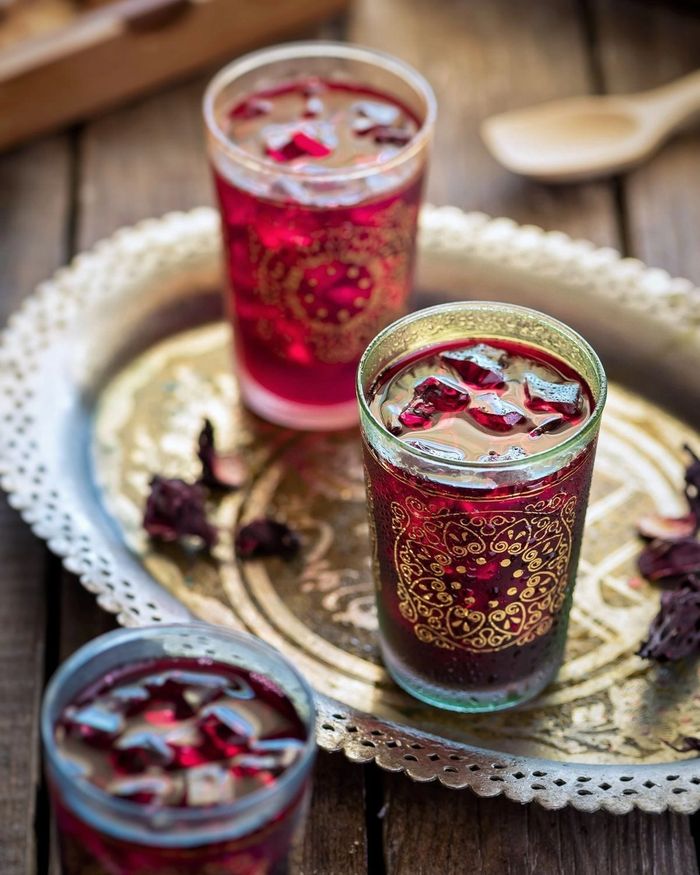
- Herbal teas : chamomile for sleep, peppermint for hot flash comfort, hibiscus for blood pressure support
- Bone broth and soups:water plus electrolytes
- Coconut water : provides natural potassium and magnesium without added sugar
- Water-rich foods: cucumber (96%), celery (95%), watermelon (92%), and strawberries (92%)
Limit these:
- Alcohol : dehydrates the body, worsens hot flashes, disrupts sleep, and compounds night sweat losses
- Excess caffeine : increases urination and compounds fluid losses when hot flashes are frequent
- Sugary drinks : add calories without supporting hydration or metabolic health
Dr. Tosin's Perimenopause Hydration Protocol
Morning: Drink one to two glasses of water immediately upon waking. Add a pinch of sea salt if night sweats were heavy. Check your urine color.
Throughout the day: Sip consistently. Do not wait for thirst. Include herbal teas, broths, and water-rich foods alongside plain water. You can support hydration by eating foods rich in magnesium. Try incorporating spinach, almonds, and pumpkin seeds.
Around exercise: Drink one to two cups of water with electrolytes 30 minutes before. Sip water during your workout. Replace fluid and electrolytes afterward with broth, coconut water, or an electrolyte drink.
Evening: Drink most fluids earlier in the day. Stop drinking large amounts of fluids two to three hours before bed. Keep a small glass of water by your bed for night sweats. Wear moisture-wicking pajamas and use cool bedding.
Talk to your physician about:
Hormone therapy is best if your symptoms are severe. It’s the most effective treatment and can help your body hold water better.
Strength training builds muscle, which helps your body store more water over the long term.
The Bottom Line
Diana did not need a new diagnosis. She needed better information.
Perimenopause changes how your kidneys hold water, how your hormones regulate fluid balance, and how reliably your thirst signal works. Hot flashes and night sweats drain your fluid reserves daily. Muscle loss reduces how much water your body can store. The symptoms you may have blamed entirely on hormones like brain fog, fatigue, headaches, joint stiffness, mood changes are all made meaningfully worse by dehydration.
Aim for 2.5 to 3.5 liters of fluid daily. Drink on a schedule not by thirst. Prioritize electrolytes, especially magnesium. Choose herbal teas, bone broth, and water-rich foods alongside plain water. Limit alcohol and watch your caffeine intake. Start every morning with two full glasses of water before anything else.
Diana made these changes. In just one week, her afternoon headaches became less frequent. Her energy stayed more stable, and her dry mouth disappeared by morning.
She was still in perimenopause. But she had reclaimed something significant.
You can too.
Diana's story is fictional and was created to reflect the real experiences of the many women navigating perimenopause every day. Her symptoms, her journey, and her outcomes are composite illustrations, not accounts of any specific individual.
Did you recognize yourself in Diana's story? Tell me in the comments. I read every comment. Share this with a woman in your life who deserves this information.
Subscribe to Hydration Bar MD for physician-written hydration guidance delivered weekly.
Medical Disclaimer: The content on Hydration Bar MD is for educational purposes only and does not constitute medical advice. Always consult your physician for personal medical guidance especially if you have any health condition or take medication.