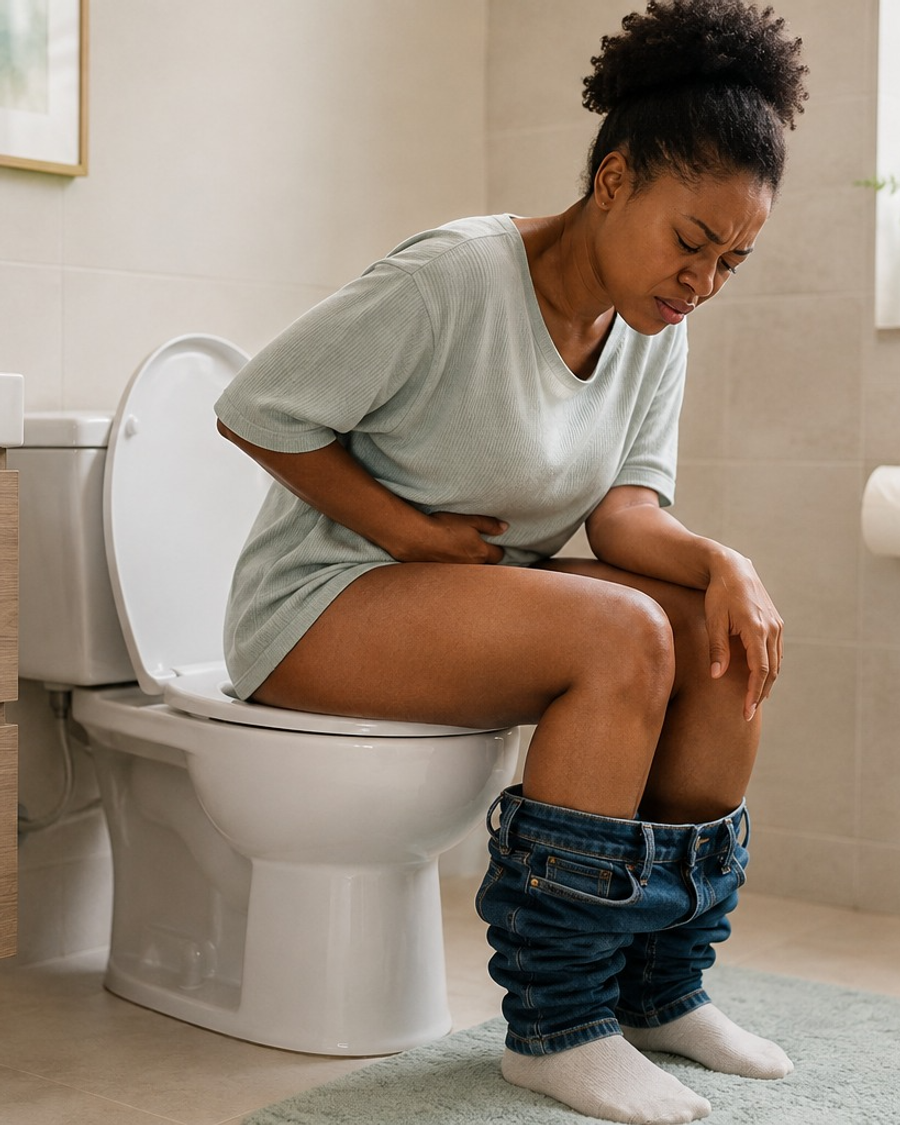
Constipation is one of the most common digestive complaints in the United States. It is also one of the most misunderstood.
The advice to drink more water is everywhere. And it is not wrong. But it is not the complete picture either. For millions of people drinking more plain water changes nothing because the real problem is something slightly different.
As a board certified internist I want to give you the full clinical answer. This post is built on two of the strongest sources available — the 2024 guidelines from the American Society of Colon and Rectal Surgeons and a major 2026 study published in the American Journal of Clinical Nutrition that reviewed the best dietary treatments for constipation.
Here is what the science actually shows.
In this post, we will cover:
- How your gut actually uses water to keep you regular
- Whether drinking more water actually relieves constipation : the honest answer.
- Why dehydration makes constipation worse
- How much water you need to keep your gut moving
- Why water and fiber must always work together
- The best drinks for constipation relief — ranked by a physician
- Who is most at risk and needs extra attention
- When drinking more water is not enough and what to do next
How Does Your Gut Actually Use Water To Keep You Regular?
Your colon is one of the body's best water-saving organs. Every day, about one to two liters of liquid from digested food enters your colon. The colon absorbs up to 90% of that water — leaving only about one cup of soft solid stool. It does this by moving sodium into the body, and water follows naturally through tiny openings in the colon wall.
When things work well, the colon takes out the right amount of water. This makes stool soft and easy to pass. But if stool stays in the colon too long or if you are dehydrated, the colon pulls out even more water. The result is hard, dry stool that is difficult to pass.
Think of your colon like a conveyor belt with a sponge. As stool moves along, the sponge squeezes out water. If stool moves slowly, or if you're dehydrated, your body squeezes harder to save water. What comes out the other end is dry compacted and difficult to pass.
Does Drinking More Water Actually Relieve Constipation? The Honest Answer
Drinking more water does not usually fix constipation if you are already drinking enough. Studies confirm that simply adding extra water does not help people who are already well hydrated. Major medical organizations support this position.
However, if you are dehydrated, increasing your water intake can significantly help. A large study of more than 14,000 US adults found that people who got the most total moisture from drinks and foods were significantly less likely to be constipated than those who got the least.
Total moisture matters more than plain water. Fluid from foods like broth and fruit counts toward your daily intake. Your colon does not care whether the water arrives in a glass or in a bowl of soup.
Research also confirms that water works best when paired with enough fiber. People who drank more water and ate more fiber had more regular bowel movements. This combination was more effective than increasing only water or only fiber.
Why Dehydration Makes Constipation Significantly Worse
When you're dehydrated, your body releases aldosterone. This hormone tells the colon to reabsorb more sodium and water. Consequently, less water stays in the stool, making it hard, dry, and slow to move.
Dehydration also slows the colon's movement. A full, bulky stool stretches the colon wall, which sends signals to push stool forward. When stool is dry and small, it does not stretch the colon as well. This slows the colon down. It lets more water be absorbed, which makes the stool harder as it sits longer.
This is a vicious cycle:
- Dehydration makes stool drier.
- Dry stool moves through the colon more slowly.
- The longer stool remains, the more water the colon pulls from it
- Consequently, the stool becomes even harder and more difficult to pass.
The 2024 guidelines from the American Society of Colon and Rectal Surgeons say to drink enough fluids. They also recommend dietary modifications and adding fiber. These steps are important for managing constipation symptoms. Dehydration is a modifiable risk factor. It’s important to identify and address it promptly.
How Much Water Do You Actually Need To Keep Your Gut Moving?
No single specific amount of water has been proven to prevent constipation. General daily fluid targets give you a useful starting point.
Daily total fluid targets from all sources (drinks and food):
- Women: about 2.7 liters (11 cups) per day
- Men: about 3.7 liters ( 15 cups)per day
Since about 20% of daily fluid comes from food, the drink targets are:
- Women: about 9 cups of fluids daily
- Men: about 13 cups of fluids daily
These are general guidelines. You may need more water when it's hot, during exercise, or if you eat a high-fiber diet. Fiber absorbs water, so staying hydrated is important for it to work well.
Your free daily gut check: urine color
- Pale Yellow: Well hydrated.
- Medium Yellow: Drink more soon.
- Dark Yellow or Amber: Your colon needs fluid, drink now.
- Brown: Contact your doctor.
One important note for older adults: As we age, the thirst signal weakens. Many older adults are mildly dehydrated without feeling thirsty. Drink on a schedule, not when you feel thirsty.
Why Water and Fiber Must Always Work Together
Fiber and water are a team. Your gut needs both.
Soluble fiber is found in foods like oatmeal, apples, beans, lentils, and psyllium. It absorbs water and forms a soft gel. This helps make the stool easier to pass.
Insoluble fiber comes from whole grains, wheat bran, nuts, and most vegetables. It adds bulk to stool and stretches the colon wall, helping to move things along.
Both types of fiber need adequate water to work properly. Eating a lot of fiber without enough fluids can cause problems. The fiber absorbs the limited water available. This leads to large, dry, hard stools and worsens constipation.
Most adult women need about 25 grams of fiber per day, while men need 38 grams. The average adult eats only about 16 grams per day.
The best way to increase fiber is to add 5 grams to your daily total each week while also increasing fluid intake. This gives your digestive system time to adjust and reduces gas and bloating.
The Best Drinks For Constipation Relief: A Physician Ranking
Not all drinks affect constipation in the same way.
Plain water is your foundation. Water is the key drink to prevent dehydration and keep stool soft. It should be your primary source.
Prune juice contains sorbitol. This natural sugar pulls water into the intestines and softens stool. It also contains fiber and polyphenols. Research shows prunes and prune juice are effective food-based interventions for mild constipation. Portion size matters for people managing blood sugar.
Magnesium-rich mineral water: Some mineral waters have high magnesium and sulfate. Studies show they help relieve constipation. Magnesium works by drawing water into the intestines. People with kidney disease should consult their physician before using them.
Warm Water and Warm Drinks: Warm water, especially in the morning, can boost the gastrocolic reflex. This is the colon's natural way of waking up. The evidence is modest, but drinking warm water is practical and risk-free.
Coffee in moderation can help move your bowels. It may also activate the gastrocolic reflex in many people. This is a genuine physiological effect. Moderate intake counts toward daily fluid totals for most people. However, it should not replace water.
Kefir and probiotic yogurt: contain probiotic strains, particularly Bifidobacterium lactis, that may support gut regularity. Evidence is still emerging, but promising. Not all probiotic products contain the same strains, so check the label.
Kiwifruit smoothies: Kiwifruit contains fiber and an enzyme called actinidin that supports digestion. Studies show eating kiwifruit helps some people with ongoing constipation. Blending the whole fruit retains more fiber than strained juice.
The following practical daily combination is based on current evidence:
- Two to three kiwifruits daily
- Adequate fluid intake : about 9 cups for women and 13 cups for men
- Gradually increase fiber intake to reach recommended daily targets (25–38g)
If you don’t like kiwifruit, try eating 100 grams of prunes or drinking a moderate glass of prune juice each day. This is a proven alternative.
Limit these:
- Alcohol increases fluid loss and may worsen constipation
- Sugary sodas and energy drinks can hydrate you, but they add sugar without fiber. So, they shouldn’t be your main source of hydration.
- Too much caffeine can boost urination. This may worsen dehydration, especially if you're not drinking enough water.
Note on senna tea: Senna is a laxative medicine, not an everyday wellness drink. It stimulates the intestines and may help with short-term constipation. It should only be used for a short time unless a physician recommends otherwise. Regular use may cause cramps, diarrhea, dehydration, or electrolyte imbalances.
Who Is Most At Risk: Seven Groups That Need Extra Attention
Older adults: the thirst signal weakens with age. As mobility decreases and medication use increases, constipation becomes more common. Scheduled hydration, rather than thirst-based drinking, is essential.
Women are about twice as likely as men to have long-term constipation. The hormone progesterone slows gut transit. Pregnancy, childbirth, and pelvic floor changes increase the risk.
GLP-1 medication users, like those on semaglutide, experience slower gastric emptying. These drugs also reduce thirst. This creates a double constipation risk that plain water alone cannot fully address.
For perimenopausal women, hormonal changes directly affect gut motility and the gut-brain connection.
Some medications can cause problems. For instance, opioid pain relievers lead to constipation in 40% to 80% of long-term users. Antidepressants, anticholinergics, calcium channel blockers, iron supplements, and calcium supplements are also common contributors. Do not stop any prescribed medicine without talking to your physician first.
Sedentary people: physical activity directly stimulates gut motility. Hydration and movement work together to maintain regularity. Sitting for long periods increases constipation risk.
The brain-gut connection is real for people with depression or chronic stress. Depression and stress affect appetite. They also change fluid intake and daily routines. Plus, they can slow down how fast the intestines move.
When Drinking More Water Is Not Enough: other causes to consider
If constipation keeps happening, it might be a sign of a bigger problem. This can happen even if you drink enough water and eat fiber.
Hormone and metabolic conditions: Hypothyroidism can cause constipation. This thyroid condition is frequently misdiagnosed. Hyperparathyroidism raises calcium levels and slows colonic transit. Diabetes can damage the nerves that control gut movement. Blood tests for thyroid function, calcium, and blood sugar can quickly find these causes.
Brain, nerve, and spinal conditions: The brain sends signals to the colon and pelvic-floor muscles. They also rely on the spinal cord and nerves to work well.
Conditions that can disrupt these signals include:
- Parkinson's disease
- Multiple sclerosis
- Spinal cord injury
- Stroke
These conditions can slow the colon. They can weaken the muscles for bowel movements. Also, they may make it harder for the pelvic floor to relax.
Slow-transit constipation happens when the colon moves stool too slowly. As a result, the colon absorbs too much water. Many people with this type don’t improve with fiber alone. They may need osmotic laxatives like polyethylene glycol. Some might need stimulant laxatives or prescription meds like linaclotide or lubiprostone.
Pelvic floor dysfunction, or dyssynergic defecation, happens when bowel movement muscles don’t work together. This means the muscles don’t coordinate properly. This can lead to problems.
Signs include:
- significant straining
- a feeling of blockage
- The sensation that stool remains after a movement
- the need to use a finger or change position to help stool pass
The best treatment is pelvic floor physical therapy with biofeedback not laxatives.
IBS with constipation(IBS-C) causes abdominal pain alongside constipation. It needs a clear management plan. This plan should include dietary changes, targeted fiber, stress management, and sometimes medication.
See your physician promptly if constipation is accompanied by any of the following:
- Blood from the rectum or in the stool
- Unintentional weight loss
- Anemia
- A change in the shape or width of your stool
- A family history of colorectal cancer
Seek urgent care if you have:
- Heavy rectal bleeding
- Severe or worsening abdominal pain
- Vomiting with an inability to pass stool or gas
- A swollen abdomen
- Fever or fainting alongside constipation
The Bottom Line
Three things to remember from this post:
First, water helps relieve constipation, but only if you are already dehydrated. Total moisture from food and drinks combined matters as much as the water you drink.
Second, fiber and water must work together. One without the other is an incomplete strategy. Increase fiber by 5 grams each week, and increase fluid intake accordingly.
Third, if constipation persists despite good hydration and adequate fiber, see your physician. There might be an underlying cause requiring medical evaluation. The 2024 ASCRS guidelines say that personalized assessment is the recommended approach.
Your gut is trying to do its job. Give it what it needs.
Have you ever noticed that dehydration makes your constipation worse? Tell me in the comments. I read every single one. Share this with someone who needs this full picture not "drink more water."
Subscribe to Hydration Bar MD for weekly physician-written hydration and wellness guidance delivered every Tuesday morning.
Medical Disclaimer: The content on Hydration Bar MD is for educational purposes only and does not constitute medical advice. Always consult your physician for personal medical guidance especially if you have a chronic digestive condition, take medications that affect bowel function, or experience any of the warning signs described in this post.