
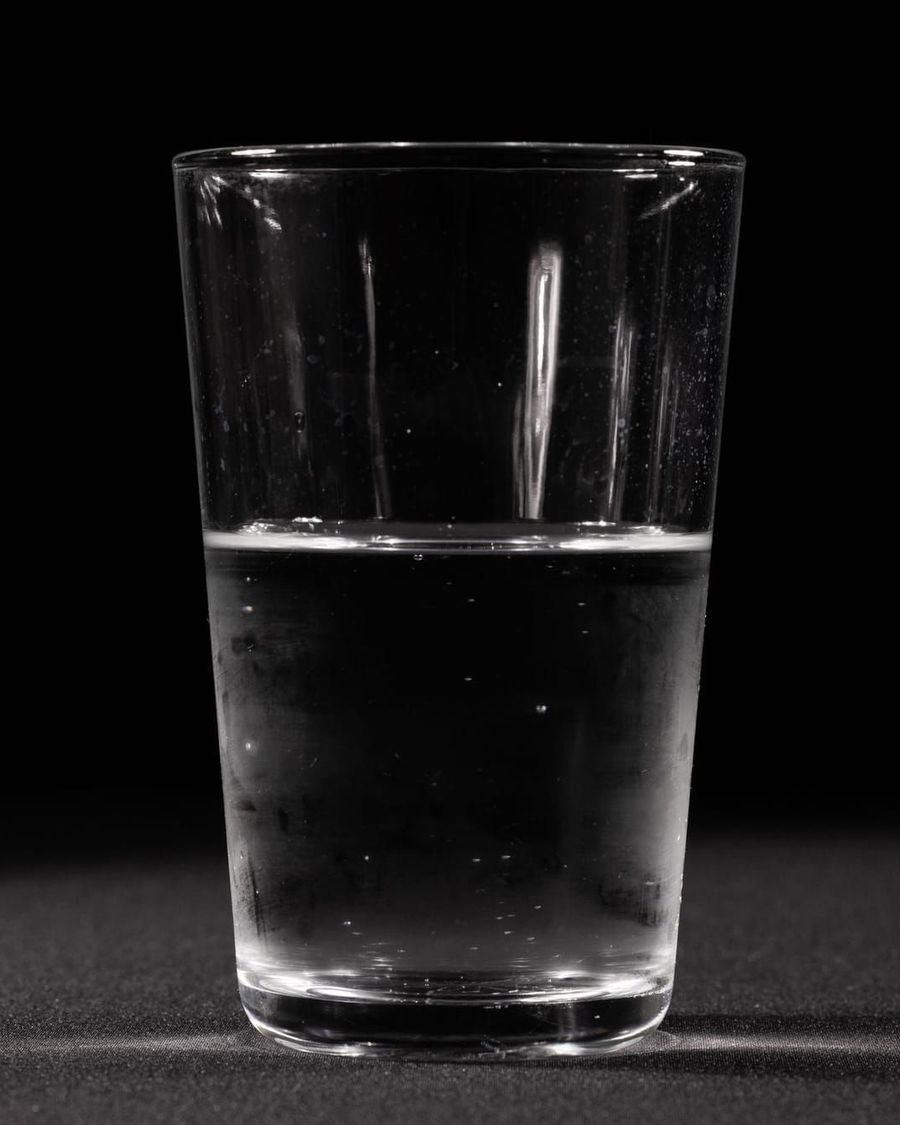
They’re smaller than a pencil eraser. You can find them almost everywhere, even in the glass of water sitting next to you. Microplastics have shifted from a minor issue to a major health concern. You might wonder if they are in your water, if they are in your body, and if you should worry. Here is what science says and what it doesn't.
What Are Microplastics?
Microplastics are tiny plastic pieces smaller than a pencil eraser. They form when larger items, like water bottles and bags, break down over time. These microplastics take several forms, including fibers, films, foams, beads, and jagged fragments.
There is an even smaller category called nanoplastics, invisible without specialized tools. Scientists focus on them because their size helps them move with ease through the body.
Microplastics are significant in ways beyond being inert debris. They can release chemicals into the environment. They can also pick up harmful pollutants and germs on their surfaces. How all this affects human health is still under active study.
How They Get into Drinking Water
Microplastics reach our taps and bottles through several routes:
- Polluted water sources: Rivers, lakes, and groundwater collect plastic particles. This happens from litter, wastewater, farm runoff, and even dust in the air.
- Imperfect treatment: Water treatment plants remove many microplastics from our water. However, some tiny particles still get through.
- Aging pipes and plastic fittings can break down over time. This can release small particles into the water supply.
- Bottled water. Studies have found that bottled water often contains more microplastics than tap water. These particles shed from the bottle, the cap, and the bottling machinery. Even opening and closing a plastic bottle can release tiny plastic pieces into the water.
Cutting plastic waste and enhancing water treatment can lower microplastic exposure.
What Does the Research Say About Health Effects?
Here is where it gets complicated. The concern is real, but so are the gaps in our knowledge.
Researchers have now found microplastics throughout the human body. They found it in blood, lungs, brain, liver, kidneys, heart, placenta, breast milk, and even baby stool. And the evidence suggests our internal burden may be higher now than it was in the past.[7]
Microplastics may harm fertility, the digestive system, the lungs, and the immune system. Researchers have seen this damage in animal studies and lab tests. But we need more work to confirm these results in humans.[6]
Scientists think this harm may happen because microplastics can:
- Cause inflammation
- Damage cells
- Disrupt hormones
- Increase stress on the body
This is the part that matters most: human studies remain limited. Most of our knowledge comes from animal or lab studies. This creates a big gap in understanding the long-term effects on people. The evidence is growing, but still evolving.
Microplastics and Heart Disease: An Important New Study
One landmark study focused on people with blocked neck arteries. Researchers found tiny plastic particles in artery plaques in more than half of the patients. Over the next three years, people with microplastics in their plaques had a higher risk of heart attack, stroke, or death than those without them. This study is the first to link microplastics in blood vessels to serious heart problems.[1]
The limitations of this study are also important. It found a link between microplastics and health issues. Microplastics have not been proven to directly cause heart attacks, strokes, or deaths. Animal studies help explain how these particles might affect the body. Animals exposed to microplastics in controlled settings had more plaque in their arteries. Scientists believe these particles may lead to inflammation that causes the damage.
Microplastics and the Brain
Scientists found microplastics in human brain tissue. This raises concerns about their impact. A study of brain tissue from deceased people found that those with dementia had much higher levels of microplastics in their brains.
This finding is important, but it doesn’t prove that microplastics cause dementia. The study only showed a link between the two. Researchers are looking into if these particles can cross the blood-brain barrier. They also want to know if they might cause inflammation or other brain changes.
The "Trojan Horse" Problem
One reason scientists worry is that microplastics rarely travel alone. Tiny particles can be like Trojan horses. They carry harmful chemicals into the environment and even into our bodies.
A single microplastic can grab and hold heavy metals like lead, chromium, and nickel. It also gathers polycyclic aromatic hydrocarbons (PAHs), which form when fuels, wood, and other materials burn. Furthermore, the plastic carries endocrine-disrupting chemicals like BPA and phthalates. When UV light or disinfectants break down these particles, they release trapped chemicals.
Both the plastic and the pollutants it carries create a combined health risk. A risk assessment found that health risks rise sharply when microplastics mix with heavy metals or other contaminants. This is worse than having microplastics alone. This combined exposure fuels much of today's interest in environmental and public health research.
A Problem of Fairness
Microplastic exposure is not the same for everyone. Location, income, and access to clean water all affect people's experiences.
In one study, people with lower incomes had more microplastics in their bodies. Their drinking water type was closely tied to microplastic levels in their blood.
In the United States, low-income areas and many Black communities deal with higher pollution. They often live near oil refineries, industrial sites, or contaminated land. Also, they lack access to clean water and other essential resources. This proximity directly increases their exposure to harmful pollutants. Around the world, the burden is often even greater. In South and Southeast Asia, fast plastic production and big informal recycling industries raise pollution levels. Poor waste management adds to the problem. This puts children, pregnant women, recycling workers, and coastal communities at greater risk.
Microplastic exposure, thus, is not only an environmental problem. It is a matter of fairness. Communities with fewer resources often experience the highest pollution levels. They may also struggle the most to reduce it.
The Regulatory Gap
Microplastics are in drinking water all over the world. Most countries do not have rules to limit them. Health groups like the World Health Organization see microplastics as a possible health risk. However, they have not set safety limits yet. The reason? We don’t have enough data to identify harmful exposure levels in people.
Part of the problem is measurement. Scientists sample, define, and measure microplastics in different ways. This makes it hard to compare results. In one review, only 4 of 50 studies met the quality standards for measuring them.[4] Researchers need better tests and long-term health data. Until then, regulators will have limited information.
How Much Are We Actually Taking In?
Scientists estimate that people swallow thousands to millions of microplastic particles each year. These particles come from food, water, and the air we breathe.
From tap water, people might ingest around 458,000 particles a year. From bottled water, that figure could climb to 3.6 million. Many experts suggest choosing tap water instead of bottled water due to its lower particle count. Researchers have found microplastics in table salt, seafood, fruits, vegetables, and packaged foods. Beyond what we eat, breathing in airborne particles can add thousands more each year.
The reassuring news is that most of what we swallow is not retained. Scientists say that the intestines absorb only about 0.3% of microplastics. Most of it passes through the body in stool. Researchers are still focused on the small amount that may enter the bloodstream. They found microplastics in many human organs, prompting further investigation.
What Scientists Still Need to Answer
Research has grown but key questions remain open. Testing methods still vary, making it difficult to accurately quantify human exposure. Many lab studies use polystyrene because it is readily available in standardized sizes. However, people usually find polyethylene and polypropylene in everyday packaging. Long-term studies on humans are rare, so we know little about the effects of exposure over decades. Many animal studies use much higher doses than the levels people encounter daily. So, researchers cannot yet determine how much exposure is too much.
These gaps do not mean microplastics are safe. They stress the need for better studies. This will help us grasp real health risks and guide future public health advice.
Do Water Filters Remove Microplastics?
Some filters remove microplastics, but not all filters are equal. Filters with fine pores work like tiny nets. They catch particles before they get to your glass. Research shows the best filters can remove most microplastics from drinking water. Carbon-based filters exhibit varying performance. Some filters catch large particles well. However, activated carbon or ion exchange filters often miss tiny fragments. Reverse osmosis and ultrafiltration systems are more effective. Their special membranes block tiny particles, including many microplastics.[5] Boiling water in hard-water areas can trap limescale particles. However, it’s not as effective as a dedicated filtration system. Using a certified filter is the best way to remove microplastics before you drink.
What Should You Do Next?
You can take sensible steps today without overhauling your life:
- Choose tap water when you can. Bottled water often contains more microplastics than tap water. Drinking from glass or stainless-steel bottles can help reduce your exposure.
- Use the right filter. Pick a filter with a physical membrane, like reverse osmosis or microfiltration. This choice helps remove tiny plastic particles with greater efficiency.
- Limit plastic contact with your food and drinks. Avoid heating food in plastic containers. Cut back on single-use plastics. Also, never leave plastic water bottles in a hot car or direct sunlight. Reach for reusable glass or stainless steel.
- Try boiling your water. In hard-water areas, boiling makes calcium carbonate encapsulate plastic particles. Let the water cool, then pour it into a clean container, leaving the sediment behind.
- Stay informed, but don't panic. Scientists learn more every year. Simple steps to reduce exposure make sense; fear does not.
- Advocate for better waste management. Reducing and recycling plastic keeps it out of the environment. It is our choice and a community effort.
A Doctor's Bottom Line
Microplastics are real, and they are almost everywhere in our environment. Drinking water exposes us, but it is not the only way. We also take them in through food, the air we breathe, and the everyday products around us.
You do not need to live in fear of microplastics. Stay informed. Make smart choices to reduce your exposure. Focus on practical changes, not perfection. Small habits add up. Over time, they can significantly reduce the substances that enter your body.