Marcus had been planning this Fourth of July cookout for three months.
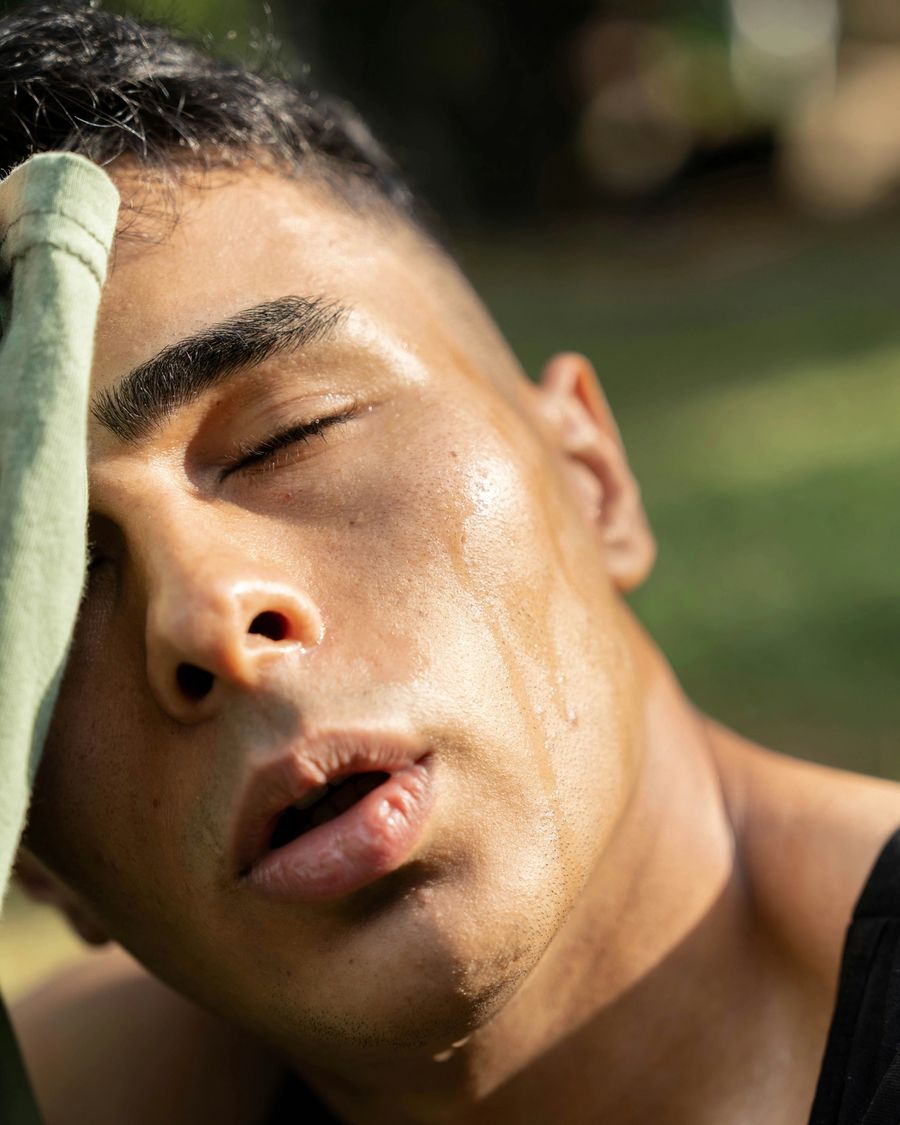
The ribs had been marinating since Thursday. He and his wife meticulously prepared the yard while his family drove in from Charlotte. By noon on Friday, the thermometer hit 101 degrees, and the heat index soared to 110. As the heat turned stifling, Marcus sat on his back steps. He felt dizzy, nauseated, and confused after setting up lawn chairs.
His wife helped him inside. He drank a large glass of water. Twenty minutes later, he felt better.
Marcus was lucky. He caught the symptoms early.
Not everyone catches the symptoms early.
A dangerous heat dome has covered more than half of the U.S. this week, putting over 100 million Americans at risk. Temperatures are rising into the upper 90s and low 100s. The National Weather Service has issued heat advisories for many major cities. This intense heat hits during a busy outdoor celebration weekend. Many people are already going to emergency rooms for dehydration.
This post is a physician's guide to staying safe this weekend.
"As of July 1, 2026 a dangerous heat dome is covering the eastern two-thirds of the United States with temperatures reaching 100 to 110 degrees in cities including New York, Washington DC, Philadelphia, Nashville, Chicago, and Detroit. The National Weather Service has issued Extreme Heat Risk warnings, the highest category for dozens of major cities. If you are planning to be outdoors this Fourth of July weekend this post was written for you ."
Heat Cramps, Heat Exhaustion, and Heat Stroke — What is the Difference?
Heat-related illness can range from mild to life-threatening.
Heat Cramps: painful muscle cramps that occur in the arms, legs, or stomach. They happen when you lose water and electrolytes (like sodium) through sweating. To treat them, rest and drink fluids with electrolytes.
Heat exhaustion: This is a common heat-related illness. It happens when your body overheats and you lose too much water and electrolytes. Symptoms include extreme tiredness, weakness, nausea, headache, dizziness, and heavy sweating. Your body temperature may be high (up to 104°F), but you are still alert. It can develop over several days and is sometimes mistaken for the flu. Without treatment, it can turn into heat stroke.
Heat Stroke: This is a medical emergency. It happens when your body temperature goes over 104°F. This can harm brain function. Warning signs include confusion, slurred speech, unusual behavior, seizures, or loss of consciousness. Without quick treatment, heat stroke can lead to organ failure and death.
How Much Water Do You Actually Need In Extreme Heat?
In temperatures above 90 degrees healthy adults should drink approximately 12 to 16 cups ( 3 to 4 liters ) of fluid daily, significantly more than the standard 8 to 10 cup recommendation. People working or exercising outdoors should drink about 8 ounces of water every 15 to 20 minutes. In extreme humidity like the heat index values of 100 to 115 degrees currently affecting much of the eastern US fluid needs are even higher because humidity prevents sweat evaporation, forcing your body to sweat more intensely without effective cooling.
Extreme heat makes you lose more water through sweat. When you become dehydrated, your body sweats less and has a harder time cooling itself. People who work outside can lose one to two liters of sweat every hour.
Here are some tips to stay hydrated in extreme heat:
- If you work outside in the heat, drink about 8 ounces (1 cup) of water every 15–20 minutes.
- If you are active for less than 1 hour, water is usually enough.
- For activities lasting an hour or more, drink a sports drink with electrolytes. This helps replace sodium to prevent deficiency.
- After heavy sweating, drink about 25%–50% more fluid than you think you lost. For example, if you sweat 4 cups (about 1 liter) during exercise, aim to drink 5–6 cups of fluid afterward. This will help you rehydrate completely.
- To make a simple rehydration drink, mix ¼–½ teaspoon of table salt with 1 liter of water. Then add a few teaspoons of sugar or a squeeze of citrus juice for flavor. Otherwise, drink water while eating salty snacks.
Can You Drink Too Much Water In A Heat Wave? The Hyponatremia Risk
Drinking too much water can be as harmful as not drinking enough. Prolonged exercise in hot weather can lead to low blood sodium, a condition called hyponatremia. Symptoms include nausea, confusion, seizures, coma, and, in severe cases, death.
The best way to stay hydrated is to drink when you're thirsty. Don’t force yourself to gulp down large amounts of water. However, you must watch for warning signs of overhydration or overheating. If someone looks confused or acts strange while working hard in the heat, get medical help right away. Don't assume they need only more water, because the problem could be heat stroke or low blood sodium. Both require immediate medical attention.
Who Is Most At Risk During This Heat Wave? Seven Groups That Need Extra Caution
Certain groups face a higher risk of illness when temperatures rise.
- Older adults: As people age, their bodies lose the ability to cool down well. Additionally, older adults usually feel less thirsty. This can lead to dehydration. Certain medications and lack of air conditioning can make these risks worse.
- People on medications: Some drugs can make it hard for your body to cool down or maintain fluid balance. These include:
- Water pills (diuretics)
- Blood pressure medicines
- Beta-blockers
- Some antidepressants
- Antipsychotics
- Antihistamines
- Anticholinergic medicines
- GLP-1 medicines can cause nausea, vomiting, or diarrhea. These side effects can lead to dehydration, a risk that increases when users sweat in hot weather.
- Outdoor workers face high risks. Farm and construction workers often work long hours in the heat. This tough physical labor increases their chances of heat-related illnesses.
- Pregnant people
- People with chronic conditions
- Individuals with diabetes or sickle cell trait
- Those who live alone or lack social support
Early Warning Signs of Heat Exhaustion: when to act before it becomes an emergency
Knowing the warning signs can help prevent a life-threatening emergency.
Take immediate action to treat heat exhaustion. Common signs include:
- Extreme tiredness
- Weakness
- Headache
- Nausea
- Vomiting
- Dizziness
- Heavy sweating
- Muscle cramps
- Inability to continue exercising or working
Move to a cool place, lie down, and sip water or a sports drink. Rest and stay hydrated to ensure a full recovery, which usually takes a few hours.
Heat Stroke Emergency: What to Do While Waiting for 911
Cooling the body within 30 minutes of this medical emergency can help save a person's life.
- Call 911 right away. Start cooling the person while waiting for help.
- Cool the body without delay. The best method is to immerse the person in cold or ice water. Submerge the trunk and extremities. If a tub is unavailable, use a pool, natural body of water, or place the person on a tarp and cover them with ice and water. If that’s not available, spray or sponge the person with cool water. Fan the person and place ice packs on the neck, armpits, and groin.
- Remove excess clothing to help the body cool faster.
- Do not give fever medicines like acetaminophen or ibuprofen. They do not help with heat stroke.
- Do not give drinks to someone who is unconscious, confused, or at risk of choking.
Dr. Tosin's Complete Heat Wave Safety Plan: Practical Tips For This Weekend
- Drink when you are thirsty, but avoid drinking too much. Drinking too much water can lead to hyponatremia. This is a serious condition where sodium levels in your body fall too low.
- Replace electrolytes after strenuous activities lasting over 1 hour. Drink sports drinks or eat salty snacks.
- Stay in air conditioning when possible. Fans may not keep you cool enough in very hot weather.
- Plan outdoor activities for early morning or evening, and avoid the hottest part of the day.
- Wear lightweight, loose-fitting, light-colored clothing.
- Take cool showers or pour cool water over your body to help lower your temperature.
- Adjust to the heat over time. This process can take 10–14 days.
- Check on older adults and people who live alone or have trouble getting around. Even one very hot day can be dangerous.
- Never leave children or pets in a parked car. The inside of a car can become deadly hot within minutes.
- Check your urine color. Pale yellow usually means you are well hydrated. Dark yellow urine may be a sign you need more fluids.
- Limit alcohol and caffeine in hot weather. These substances increase your risk of dehydration.
- Be aware of stimulant medicines, such as some ADHD medications. They make your body produce more heat. Use extra caution when taking them during a heat wave.
- Talk to your doctor if you use any of these medicines:
- Diuretics (water pills)
- Beta-blockers
- Some antidepressants
- Antipsychotics
- GLP-1 medicines
- Create a heat safety plan to prevent illness while taking these medications.
Is someone in your life outdoors this July 4th weekend? Share this post right now. It could save their life. Subscribe to Hydration Bar MD for weekly physician-written hydration guidance delivered to your inbox.