Introduction
What if your daily drink choices could do more than quench your thirst?
Hydration is an easy way to take care of your body. Science shows it matters not only how much you drink, but also what you drink.
Dehydration in midlife can raise inflammation levels. If this inflammation lasts too long, it can harm healthy tissues and cells. This may lead to serious health issues, such as heart disease and cognitive decline.
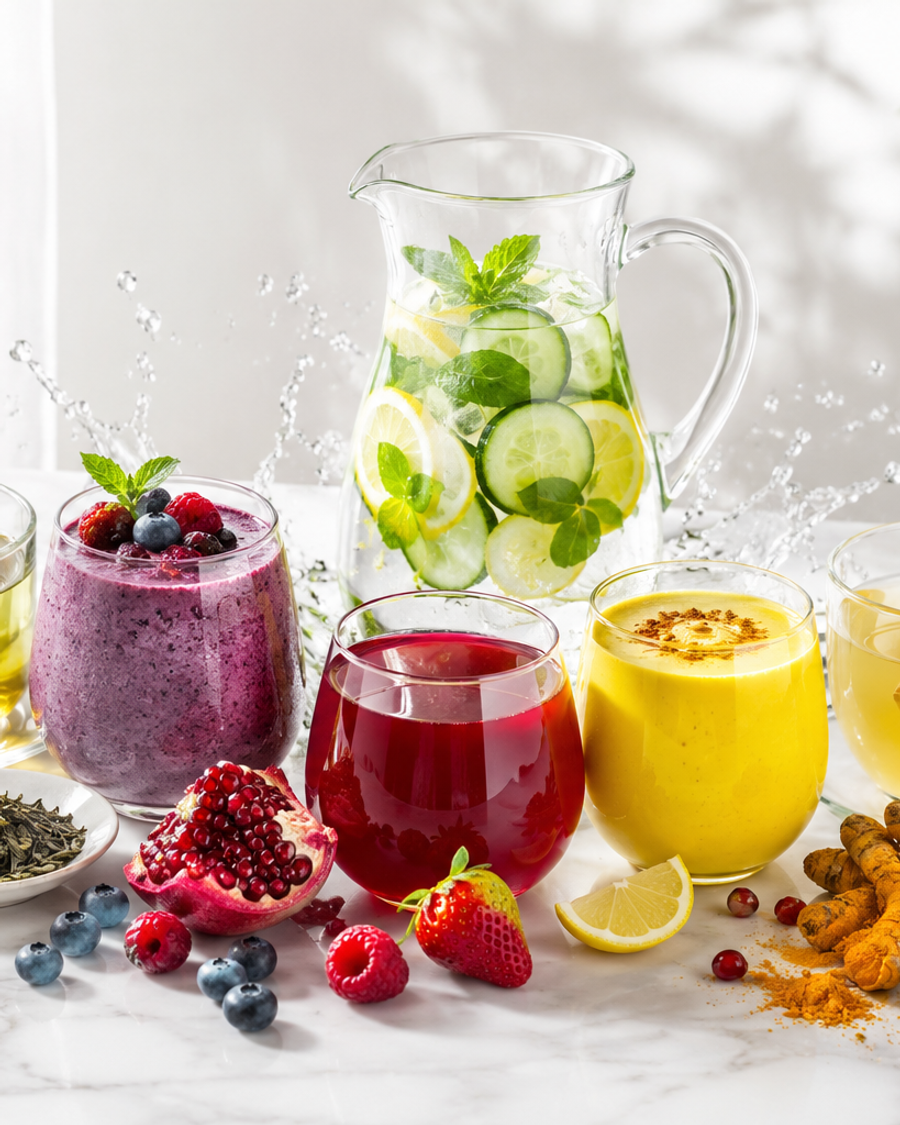
The good news: your beverage choices can make a real difference. Choose drinks that have natural anti-inflammatory ingredients. Such drinks include teas, herbs, fruits, and spices. These options keep you hydrated. They also turn a simple habit into support for your long-term health.
Welcome to a smarter way to hydrate. Every sip helps nourish, refresh, and support your well-being.
What Is Chronic Inflammation? Causes, Risks, and Why It Matters
Inflammation is your body's natural defense response. When you have an injury or infection, it helps your body fight germs and heal. This type is helpful.
But sometimes inflammation doesn't turn off. Chronic inflammation is like a quiet fire that burns inside the body. You might not notice it at first, but over time it can damage your cells, blood vessels, and organs.
Medical research suggests long-term inflammation can lead to chronic conditions, including:
- Heart disease
- Type 2 diabetes
- Certain cancers
- Memory issues
- Kidney disease
- Fatty liver disease
You can lower inflammation by changing your daily habits. Eat healthy foods, exercise regularly, manage stress, and don’t smoke. These consistent choices help your body recover and reduce long-term health risks.
Water vs. Anti-Inflammatory Drinks: Why Hydration Alone Isn't Enough
Drinking enough water is key. It keeps your kidneys healthy, helps with metabolism, and controls body temperature. Staying hydrated also boosts physical performance. In contrast, dehydration can harm your immune system. It may cause increased inflammation and speed up signs of aging.
While water keeps your body hydrated, it lacks nutrients. However, nutrient-rich drinks can offer more benefits than plain water for fighting inflammation. These beverages have antioxidants and plant compounds. They help lower inflammation and support cellular function.
Water is the foundation of a healthy lifestyle. Once you have that foundation, you can add layers of nutrition on top. The goal isn't to replace water, which should remain your main source of hydration. You can then incorporate smart drinks, like teas and nutrient-rich beverages. They offer extra benefits with every sip.
8 Best Anti-Inflammatory Drinks for Hydration
1. Green Tea for Inflammation
Green tea contains epigallocatechin-3-gallate (EGCG). This potent catechin polyphenol acts as an antioxidant. It reduces inflammation and protects cells from the damage caused by oxidative stress.
How to sip it: Enjoy 2–3 cups daily. Use hot (not boiling) water and steep 3–5 minutes to protect the beneficial compounds. Limit added sugar, which can raise inflammation and diminish the drink's benefits.
2. Turmeric (Golden Milk) for Inflammation
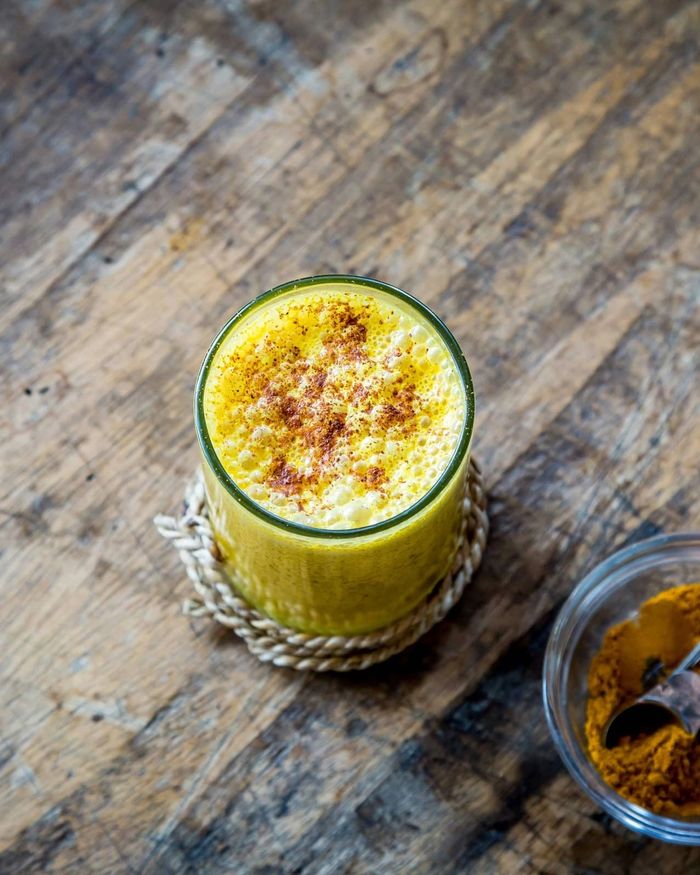
Turmeric contains curcumin, which gives it a bright yellow color. Curcumin helps fight inflammation by reducing inflammatory markers like CRP, IL-6, and TNF-α. It also enhances the body's antioxidant defenses.
How to prepare it: Warm the dairy or plant-based milk and add ½–1 teaspoon turmeric powder. Add a pinch of black pepper. The piperine helps with absorption, as do healthy fats like nuts, seeds, or coconut milk.
3. Ginger Tea for Inflammation
Ginger contains gingerols and shogaols. Research shows that ginger may help reduce inflammation. It works by blocking chemical signals that sustain inflammation. Additionally, ginger has antioxidant effects that protect cells from stress and damage. It reduces inflammatory markers like C-reactive protein (CRP) and tumor necrosis factor-alpha (TNF-α).
How to prepare it: Add 2 inches (22g) of sliced ginger root to a pot of water. Boil for 5–10 minutes over medium heat to release its compounds. Then, remove from heat and steep, covered, for 10–15 minutes to boost the flavor. Heating changes gingerols into shogaols, which are strong antioxidants and anti-inflammatory compounds. Steeping allows more of these compounds to extract into the tea. Add a squeeze of lemon and up to 1 teaspoon of raw honey if desired.
4. Tart Cherry Juice for Inflammation
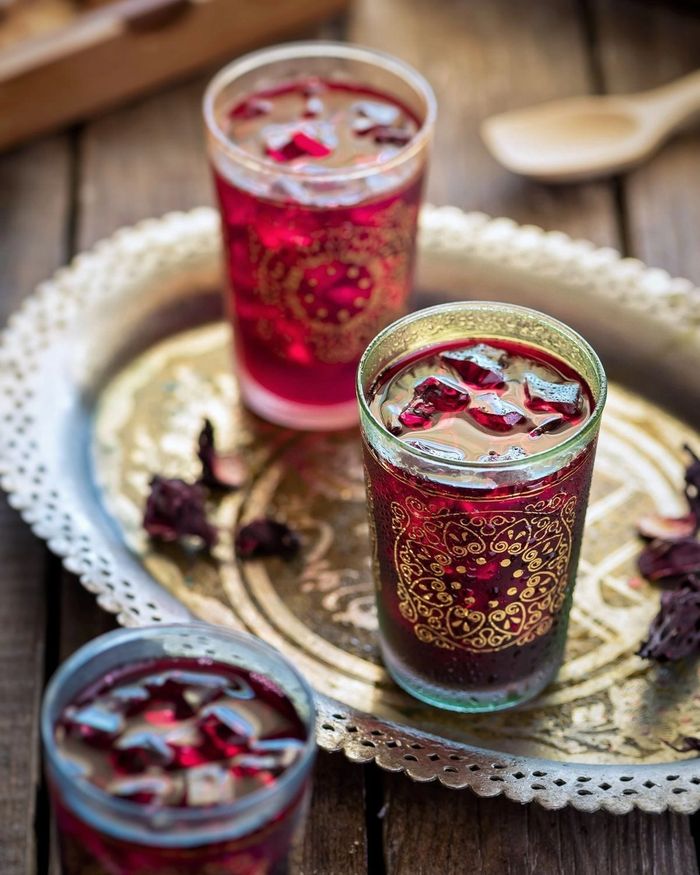
Tart cherries contain polyphenols. These include anthocyanins, which give them a deep red color. These compounds protect cells from damage and support a healthier inflammatory response. The fruit also contains melatonin, which supports healthy sleep.
How to sip it: Choose unsweetened tart cherry juice. Enjoy 8–12 ounces of juice or 1–2 tablespoons of concentrate mixed into water daily. Drink it in the morning for energy, after exercise for recovery, or before bed to support sleep.
5. Pomegranate Juice for Inflammation
Pomegranate has polyphenols. These include punicalagins, ellagic acid, and anthocyanins. They protect cells from oxidative stress. They may also help support a healthier inflammatory response. Research shows this juice may reduce inflammatory markers like hs-CRP, IL-6, and TNF-α.
How to sip it: Choose 100% pure juice without added sugars. Enjoy 4–8 ounces daily, or mix with sparkling water for a lighter drink. A small serving provides antioxidants while keeping natural sugar intake low.
6. Omega-3 Berry Smoothie for Inflammation
This smoothie combines ingredients that may help manage inflammation. Berries, such as blueberries, strawberries, and raspberries, contain a high amount of anthocyanins. These antioxidants protect cells from damage caused by oxidative stress. Flaxseeds and chia seeds provide plant-based omega-3 fats (ALA) and fiber. They help support heart and gut health. Together, they create a nutrient-rich, hydrating drink.
How to prepare it:
- Pour 1 cup of liquid into a blender. This can be water, unsweetened almond milk, or brewed green tea.
- Add 1 cup of mixed berries.
- Include 1 tablespoon of ground flaxseed or chia seeds.
- Blend until smooth.
7. Bone Broth for Inflammation and Gut Health
Bone broth contains amino acids like glycine, glutamine, arginine, and proline. These acids are the building blocks of protein. They may promote gut health and support normal repair processes. The broth contains minerals such as zinc and magnesium. These are key for immune function. Collagen in bone broth supports a healthy gut barrier. This protein also reduces inflammation and can ease joint pain from osteoarthritis.
How to sip it: Enjoy 1–2 cups of warm bone broth between meals or with a meal. Choose a quality broth simmered for 12–24 hours. Longer simmering helps extract more amino acids and minerals. Add herbs and spices. Ginger, turmeric, garlic, and black pepper boost anti-inflammatory benefits.
8. Black Coffee for Inflammation (Moderate Intake)
Coffee isn’t just about caffeine. It also contains polyphenols, such as chlorogenic acids. These act as antioxidants, protecting cells from oxidative stress. Plus, they support a healthy inflammatory response. Drinking moderate amounts of coffee, whether caffeinated or decaf, helps lower inflammation. Markers like C-reactive protein (CRP) reflect this reduction. Black or minimally processed coffee retains the highest levels of antioxidants.
How to sip it: If you tolerate caffeine well, enjoy 2–3 cups daily. Filtered coffee is healthier than unfiltered options like boiled coffee or French press. Limit added sugars and sweetened creamers. These additives can turn a healthy drink into a source of empty calories.
Worst Drinks for Inflammation: Beverages to Avoid
Sugar-sweetened drinks, like soda, sweet tea, and energy drinks, add a lot of sugar to our diets. Regular consumption can raise inflammation. This occurs because of insulin spikes, weight gain, and poor gut health. These factors increase the risk of type 2 diabetes and metabolic syndrome. High-fructose corn syrup can also upset healthy gut bacteria. This can make inflammation worse.
Choosing water or other low-sugar drinks is a better path to supporting health.
Alcohol: Heavy drinking can weaken the immune system. It also raises inflammation in the body.
How Much Water Should You Drink Daily? Hydration Guidelines
Adults should aim for 2.5–3.5 liters of fluid daily, including water, other beverages, and water-rich foods. Individual needs vary by body size, activity level, climate, and medical conditions.
Plain water should still be your main source of hydration. Other healthy drinks add flavor and nutrients. They work best when they support your regular water intake.
FAQ: Anti-Inflammatory Drinks and Hydration
Q1: Can anti-inflammatory beverages replace anti-inflammatory medications?
No. These drinks shouldn’t replace your prescribed medications. Think of them as a boost to a healthy lifestyle. A balanced diet, like the Mediterranean diet, supports long-term health. Regular exercise, good sleep, and stress management are also important. Always follow the guidance of your healthcare provider.
Q2: How long does it take for anti-inflammatory drinks to reduce inflammation markers?
The timeline varies by person, depending on beverage choices, diet, lifestyle, and health. For example, studies suggest turmeric (curcumin) may lower inflammation within a few weeks. Omega-3-rich foods and drinks may take a few months to show clear changes. Consistency is key. These drinks work best as part of a daily routine, rather than as a quick fix.
Q3: Can you drink too many anti-inflammatory beverages?
Yes, more isn't always better, even with healthy drinks. Drinking too much green tea or coffee can lead to disrupted sleep. It may also cause jitteriness or a fast heartbeat in some people. Excessive turmeric may cause digestive discomfort. Additionally, fruit juices, such as tart cherry and pomegranate, have helpful plant compounds. However, they also contain natural sugars. Drinking too much of these juices can increase calorie and sugar intake. This increase is a concern for those monitoring blood sugar or triglyceride levels. The goal is balance. Enjoy these drinks in reasonable amounts. They should fit into a healthy lifestyle, not replace a balanced diet.
Q4: Does the temperature of a beverage affect its anti-inflammatory properties?
Temperature does play a role. Green tea needs hot water, but it should not be boiling, as too much heat can harm its helpful compounds. Turmeric likes gentle heat. Warming it with healthy fat improves curcumin absorption. Pomegranate and tart cherry juices have more antioxidants when cold. Heat breaks these nutrients down. Bone broth requires a special method. It cooks slowly over a long time. This process helps release collagen, amino acids, and minerals.